
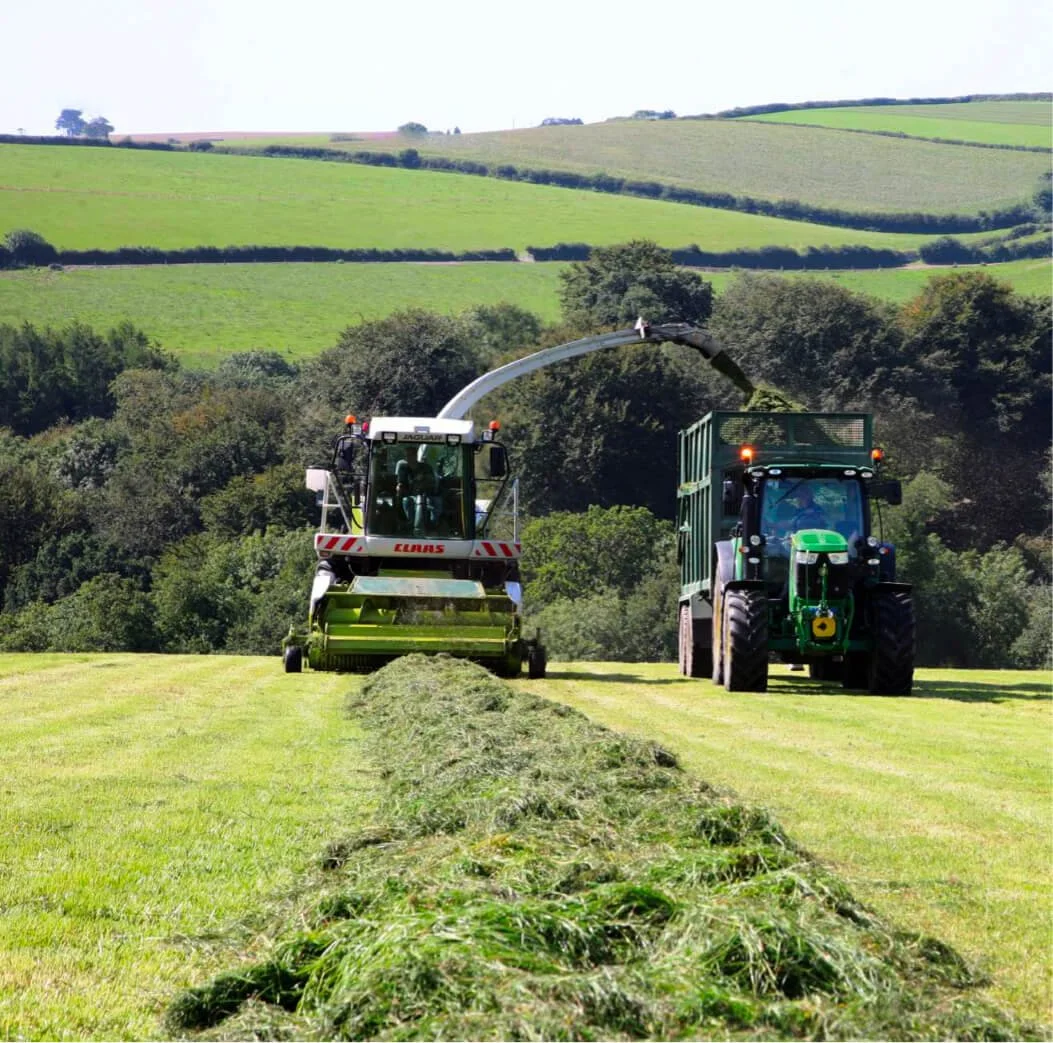
Silage Wrap, Netting and Clamp Covers for Scottish Farms
Film, sheets, covers, netting and grain preservative, over the counter at Ayr, Kinross, Lanark & Stirling. Everything on this page does one job: keep air out of the crop you have already paid to grow, cut and cart.
Oxygen Is the Only Thing You Are Fighting
Grass goes into the clamp or the bale with its own lactic acid bacteria already on it. Given no air, they drop the pH and the crop keeps. Given air, moulds and yeasts get there first, the top of the clamp heats, and you fork off what you spent the spring growing. Every sheet, cover, net and roll of film in this page is bought for that one reason, and the honest way to compare them is by how much oxygen they let through.
| Silostop Orange, 45µm | Under 5 cm³/m² in 24 hours |
|---|---|
| Silostop Max, 80µm | Oxygen barrier, thicker again, made to be opened and reclosed |
| Conventional black sheet, 125µm | Over 300 cm³/m² in 24 hours |
| Polythene cling film | Over 1000 cm³/m² in 24 hours |
The thinner sheet is the better barrier. That is the part most people have to read twice. A 45µm oxygen barrier film keeps out roughly 60 times more oxygen than a 125µm black sheet, because the barrier is in what the film is made of, not in how thick it is. Figures are Silostop’s own, measured on their films.
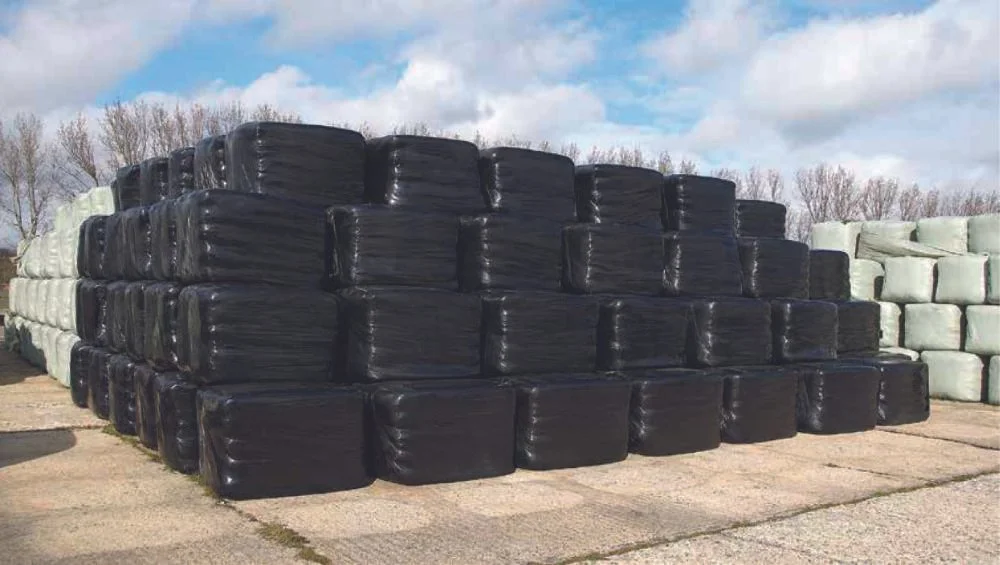
Where the loss shows up. Silostop put the visible waste in a conventionally sheeted clamp at about a tenth of the top metre. That is the layer you are throwing over the wall in February, and it is the layer the cover is bought to save.
Sheeting a Clamp
A clamp needs three things over the crop, and they are three different products doing three different jobs: a barrier film against the surface, something over it to stop the sun and the birds, and enough weight along the shoulders and the edges to hold the whole thing in contact with the grass.
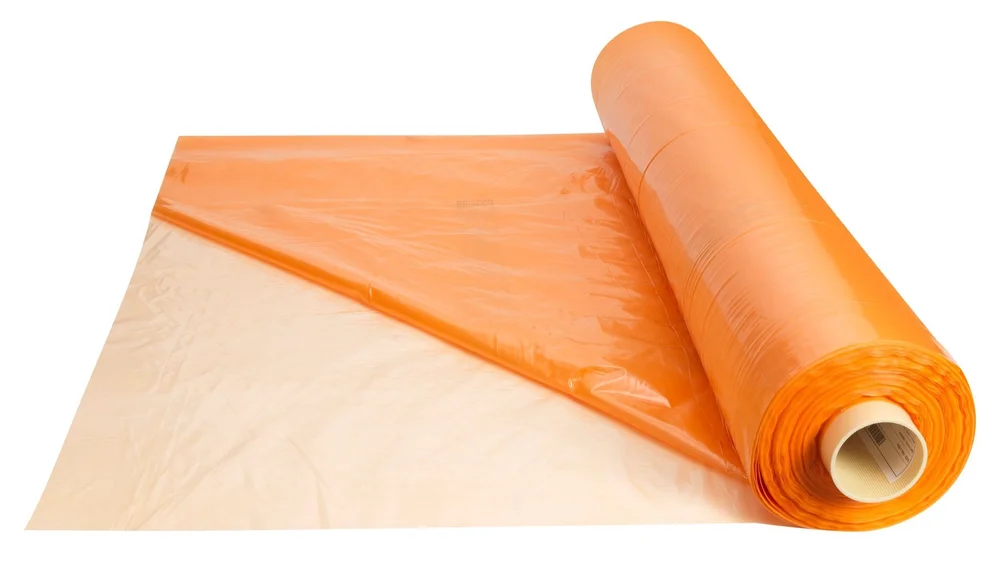
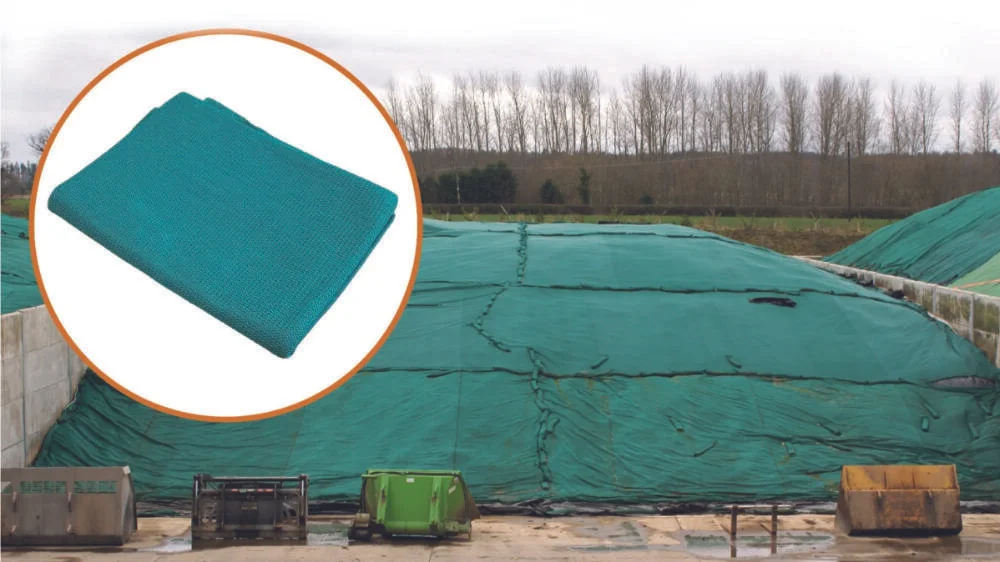
Silostop Orange Oxygen Barrier Film
The layer that goes straight onto the grass. At 45µm it is thinner than the black sheet it replaces, and it is meant to be pulled down tight so there is no air gap between the film and the surface of the crop. Silostop also make Max at 80µm, which is the one to ask about if you are multi-cutting and the pit gets opened and closed through the season.
Silostop Anti UV Cover
A 210gsm reusable cover that goes over the barrier film instead of a second sheet of polythene. Silostop rate it at 99% shading and 1,000 Kly UV resistance, with a working life of five to ten years, and it comes in seven sizes from 10 × 12m up to 15 × 20m. The point of it is that you buy it once rather than buying polythene every season, and the tight weave keeps birds, rodents and hail off the film underneath.
Secure Covers and Gravel Bags
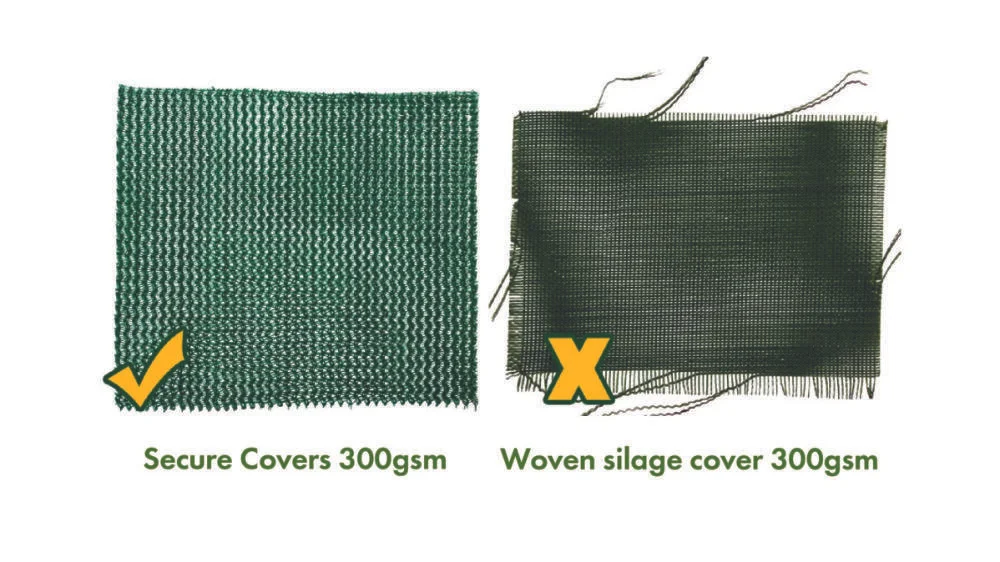
Secure Covers are a knitted HDPE mesh laid over the sheet and held down with gravel bags. Because the knit is interlocked rather than woven, a cut edge does not unravel, and the cover flexes enough to follow the shape of the clamp and keep the film pressed onto the grass. Silostop supply them with a ten-year UV stability guarantee.
Gravel bags are worth the change from tyres on their own merits. They sit into the contours of a clamp where a tyre bridges across them, they do not hold a few inches of standing water for months, and there is no wire to work loose out of a perishing sidewall and end up in the feed passage.
Ask at the counter with your clamp measurements. Cover sizes are fixed, clamps are not, and the difference between the right size and the nearest size is paid for along the shoulders where the spoilage starts. Bring the width and the length and we will work out what covers it.
Netting and Wrapping Bales
Netting holds the bale together. Film keeps the air out. They are not alternatives, and a bale that is netted but badly wrapped will not keep however good the net was.
Netting
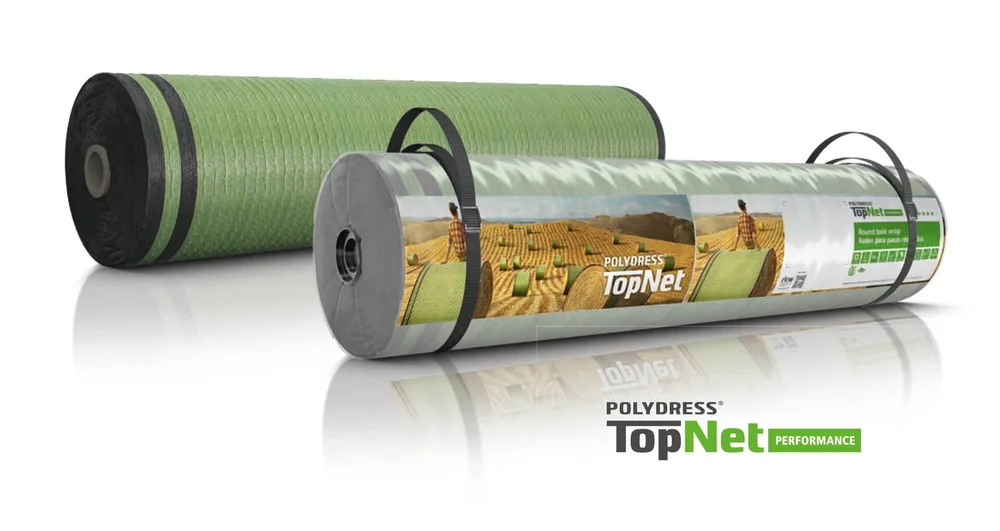
Polydress TopNet suits every make of round baler and is made to give edge-to-edge coverage, so the bale comes out square-shouldered rather than barrelled. It is UV stabilised, Volac guarantee the roll for twelve months, and the rolls carry directional side markings and handles, which matters more than it sounds when you are threading a baler in a field at nine at night. Rekord MS from Novatex is the other one we keep: a heavier classic net with coloured edge marking, and a sensible choice where bales are handled hard or stacked high.
Wrap
Topwrap is the standard: 750mm wide, 25µm, 1,500 metres on the roll. Topwrap RS1900 is the same 750mm width with 400 metres more film on it, and Coveris Unterland FX is the one to ask about if you are running a high-output wrapper or awkward bale shapes — its adhesive system is built to keep tacking in the cold and to leave less of a tail flapping for the wind to find.
What the Numbers on the Roll Actually Mean
Pre-stretched film is sold on bales per roll, which is a figure that depends on your wrapper as much as on the film. The roll itself is not in doubt, so here is the comparison in the only units that cannot move:
| Topwrap | Topwrap RS1900 | |
|---|---|---|
| Width | 750mm | 750mm |
| Thickness | 25µm | 21µm |
| Length on the roll | 1,500 m | 1,900 m |
| Film on the roll | 1,125 m² | 1,425 m² |
| Roll weight | 27.2kg | 29.4kg |
Read that table before you compare prices. RS1900 carries 27% more film than a standard roll for about 8% more weight, and it does it by running 16% thinner. That is the whole trick, and it is a good one — fewer roll changes, less plastic per bale — but it is a thinner film, so it wants a wrapper that is set up properly and it is less forgiving of stubble and thorn. Volac’s own figures put the saving at up to a tenth per bale. Ours is the table above.
Preserving Moist Grain and Pulses
This is a different job from silage, and it is on this page because it lands in the same fortnight. Grain coming off wet either gets dried or gets treated, and treating it lets you store it moist without the drier bill.
Propcorn NC
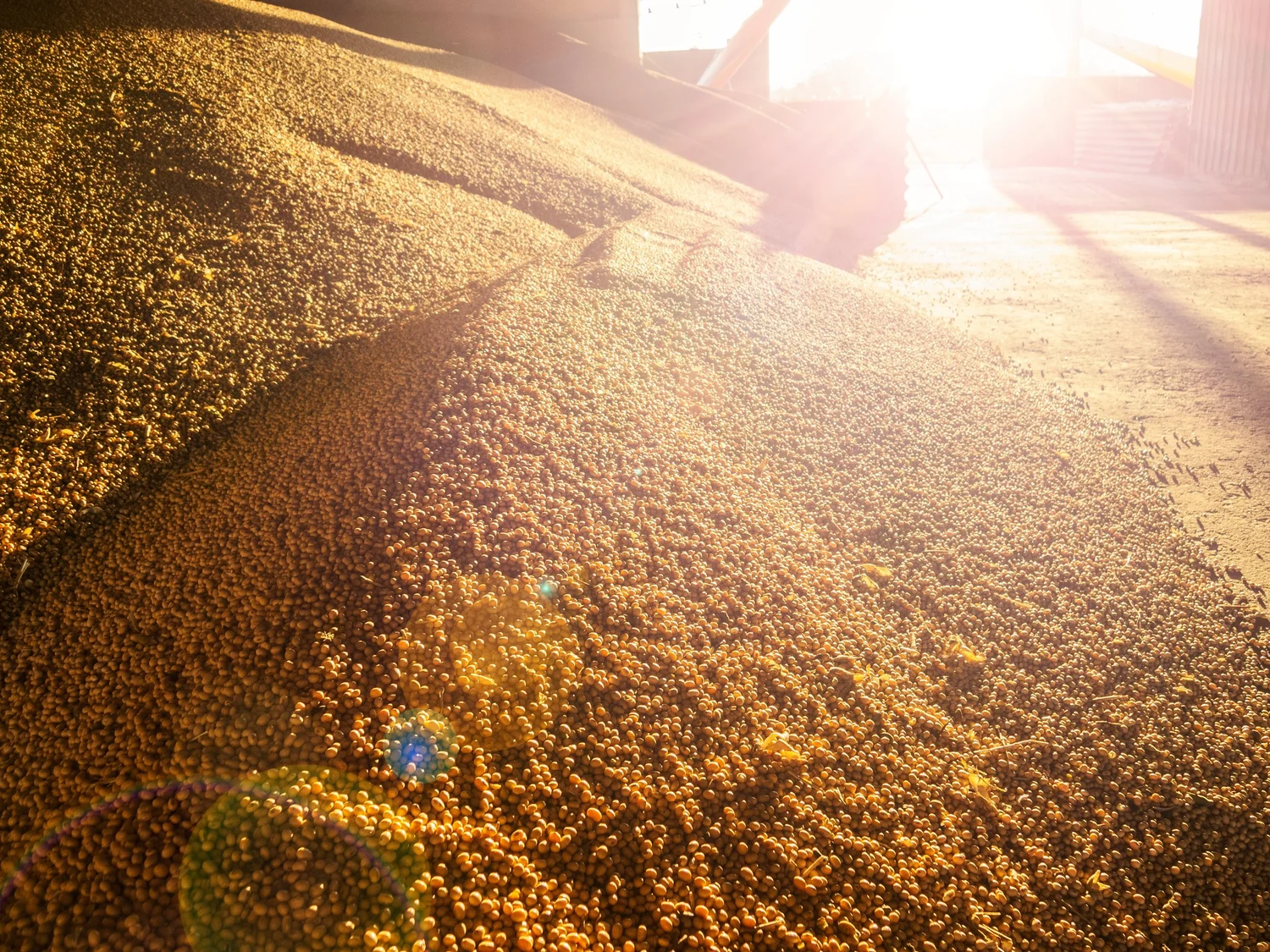
Propcorn NC from Monarch Agri is a concentrated propionic acid preservative in a non-corrosive form. It goes on all cereal grains and pulses — whole or crushed grain, peas, beans, lupins, rape — and Monarch put the protection at up to twelve months against moulds, yeasts and the mycotoxins that follow them. The non-corrosive formulation is the reason to choose it over straight propionic acid: it is easier on augers, conveyors and store fittings, it is less pungent to handle, and it ships non-ADR. It comes in 25 litre and 192 litre containers, in 1,000kg and by tanker.
No rate is printed here on purpose. How much you need depends on the moisture of the grain coming off the combine and on how long you intend to keep it, and getting it wrong in either direction costs money. Ring the store with a moisture reading and we will work it out with you.
Five Things That Decide Whether the Crop Keeps
None of it is new, and all of it is worth more than the price difference between one film and another.
Chop and Consolidate
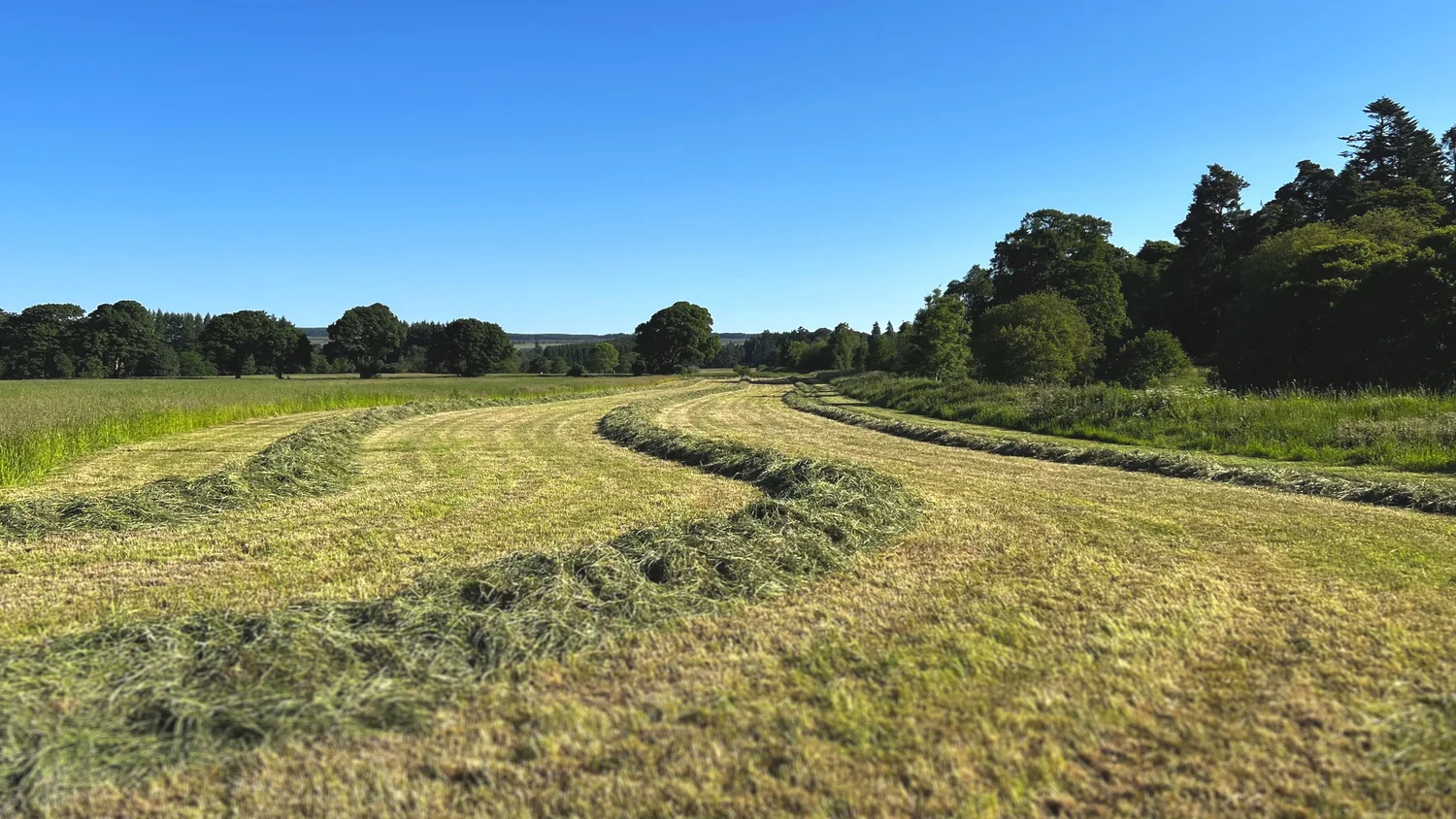
Air that is still in the clamp when you sheet it does not leave on its own. Rolling costs time on the day and it is the cheapest thing on this list.
Sheet the Same Day
A clamp left open overnight is a clamp fermenting with a free air supply. If the forecast is going to force a break, sheet what you have.
Seal the Edges, Not Just the Top
Spoilage starts at the shoulders and along the walls, because that is where the film lifts. Gravel bags laid end to end along the shoulder earn their keep there.
Keep Birds Off the Face
One hole in a barrier film will spoil an area far bigger than the hole. A cover pulled down over the face is what stops rooks turning a pinhole into a metre.
Order Before You Need It
Everybody in central Scotland wants film in the same fortnight, and that fortnight is decided by the weather rather than the calendar. Talk to us before the crop is fit, not the morning you start.
Bring your clamp measurements, your bale numbers or a moisture reading to any of the four stores, or ring 01786 474 481 and we will work it out with you. If you would rather have someone see the ground first, ask for your representative.
Ask your rep about wrap and nettingSilage and Baling Questions We Get Asked
Do I still need a net or a cover over an oxygen barrier film?
Yes. An oxygen barrier film is the barrier, not the armour. It needs something over it to take the sunlight and to stop birds, rodents and hail putting holes in it, and that is either a Silostop Anti UV Cover, or a black sheet with nets and gravel bags over the top.
Are gravel bags better than tyres on a silage clamp?
For sealing, yes. Gravel bags follow the contours of the clamp where a tyre bridges over a hollow and leaves the film off the crop. They also avoid two problems tyres bring with them: standing water sitting in the tyre for months, and wire working out of a perishing sidewall into the silage.
Can silage film and covers be re-used?
Silostop films are strong enough to re-use if they are handled carefully, and Max is the one usually chosen where a pit is opened and closed through a multi-cut season. The Anti UV Cover is designed to be reused, with a working life Silostop put at five to ten years, and Secure Covers carry a ten-year UV stability guarantee.
What is the difference between Topwrap and Topwrap RS1900?
Both are 750mm wide. Standard Topwrap is 25 microns and 1,500 metres on the roll. RS1900 is 21 microns and 1,900 metres, so it carries about a quarter more film for roughly a twelfth more weight, and you change rolls less often. It is a thinner film, so it rewards a well set up wrapper.
What size silage clamp cover do I need?
Measure the width and the length of the clamp, including how far you want the cover to come down the walls, and bring both figures to the counter. Silostop Anti UV Covers come in seven fixed sizes from 10 by 12 metres to 15 by 20 metres, so the job is matching your clamp to the nearest size that still covers the shoulders.
Can I store grain moist instead of drying it?
Yes, if it is treated. A propionic acid preservative such as Propcorn NC will hold moist cereals and pulses in store, and Monarch Agri put that at up to twelve months. How much you apply depends on the moisture coming off the combine, so ring the store with a reading rather than working off a bag rate.
Where can I buy silage wrap and netting in central Scotland?
From any of the four McCaskie country stores, at Ayr, Kinross, Lanark & Stirling. Ring 01786 474 481 to check stock and reserve what you need before you start, or ask your representative to bring it out.