
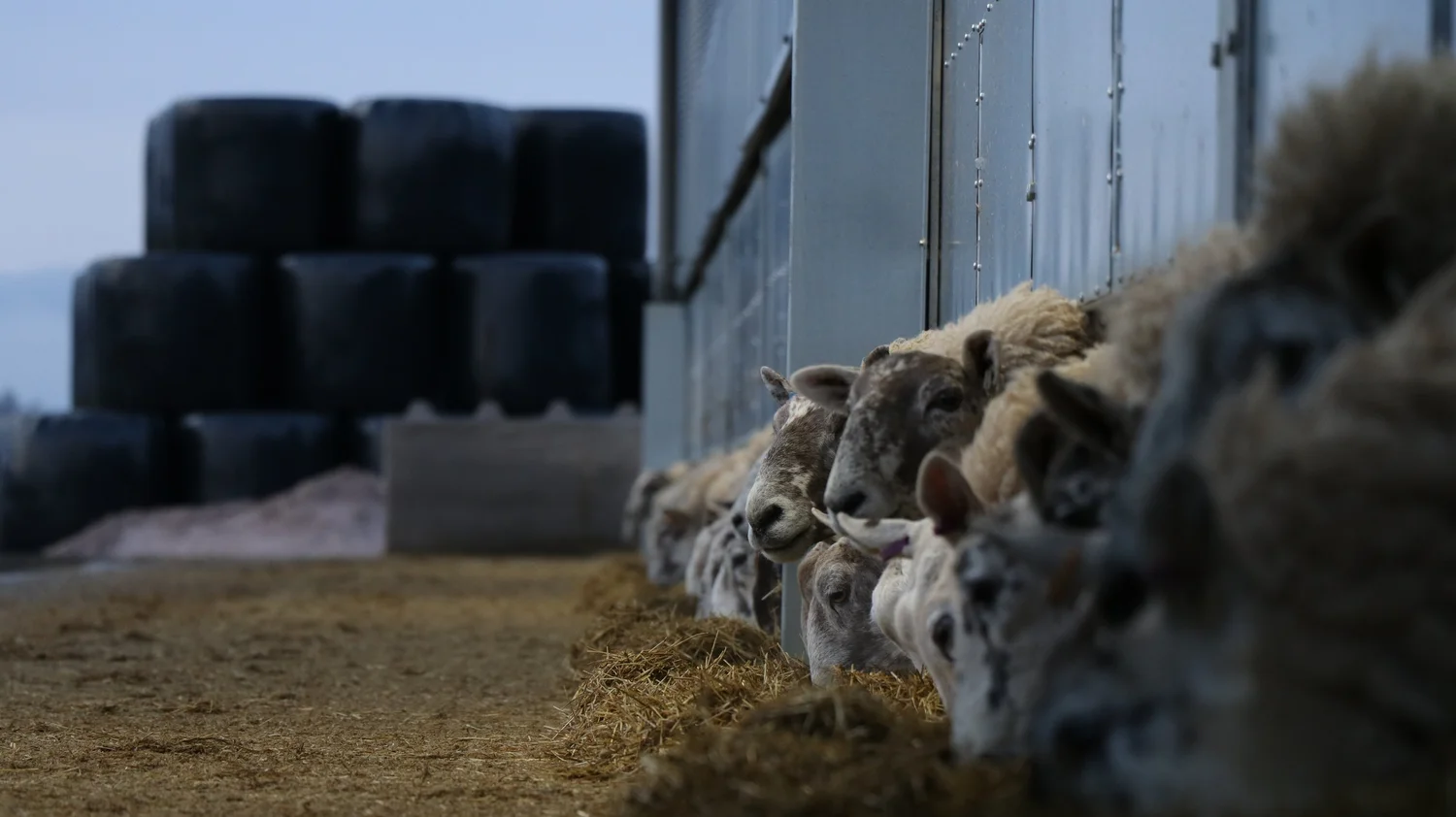
Sheep Health and Nutrition
Wormers, flukicides, dip, vaccines, boluses and everything the lambing shed needs — over the counter at Ayr, Kinross, Lanark & Stirling, with qualified SQPs behind every one of them.
Over the Counter, Without a Vet Visit
Almost everything on this page is POM-VPS — prescription-only medicine that a Suitably Qualified Person can prescribe and sell. You describe the job, they work out what is right for it, and you walk out with it. No appointment and no call-out.
Every one of the four stores has more than one qualified SQP, and all eight field representatives are SQPs, so the same conversation happens at your own gate in the weeks when you cannot get off the farm.
Where it stops. Antibiotics and anything else classed POM-V are your vet's decision. An SQP will say so rather than sell you the nearest thing on the shelf.
What Comes Up, and When
A sheep year runs to a tighter calendar than a cattle one, and the counter follows it almost to the week. These are the four points when the queue forms.
Tupping
Condition scoring, trace elements and the fluke decision before the ewes go to the tup. Rams get their own check.
Pre-Lambing
Scanning results turn into feeding. Clostridial boosters timed to pass cover to the lamb, and the shed stocked before the first one arrives.
Lambing
Colostrum, stomach tubes, navel dressing, lamb boost for a slow starter, and twin lamb for a ewe going the wrong way.
Turnout to Weaning
Worm counts on the lambs, blowfly cover before the first strike, and the minerals that carry growth through the summer.
Worming and Fluke
Which group, and when, is the most consequential decision on this page — and the one most worth counting first.
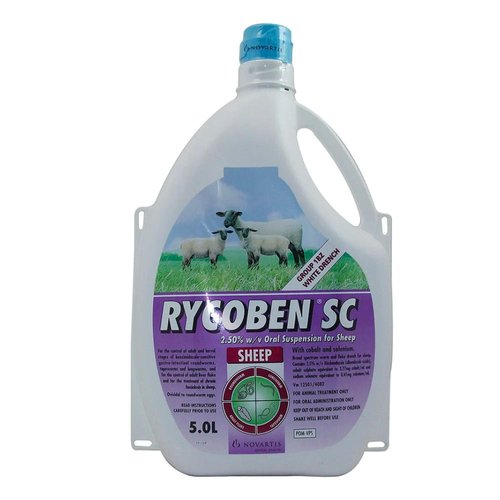
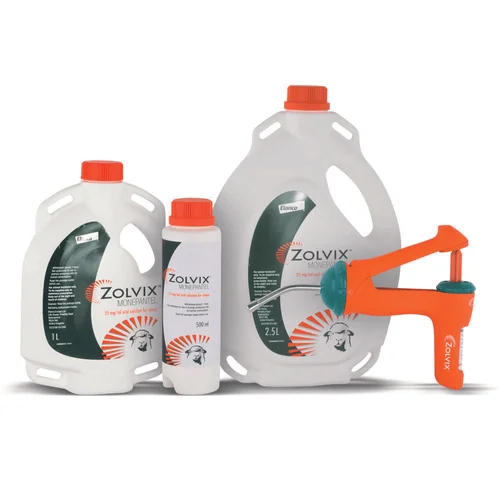
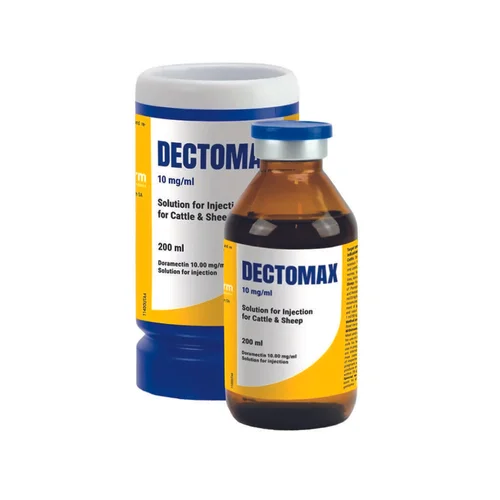
Sheep wormers are sorted into groups by how they work, and the group matters more than the brand. Rotating blindly does not prevent resistance; using the right group at the right time, and knowing whether it worked, does.
| Group | Colour | Class |
|---|---|---|
| 1-BZ | White | Benzimidazole |
| 2-LV | Yellow | Levamisole |
| 3-ML | Clear | Macrocyclic lactone |
| 4-AD | Orange | Amino-acetonitrile derivative |
| 5-SI | Purple | Spiroindole |
Groups and colours are as SCOPS sets them out. Which one belongs on your farm this season depends on your own resistance picture, so it is a conversation with an SQP rather than a rule of thumb.
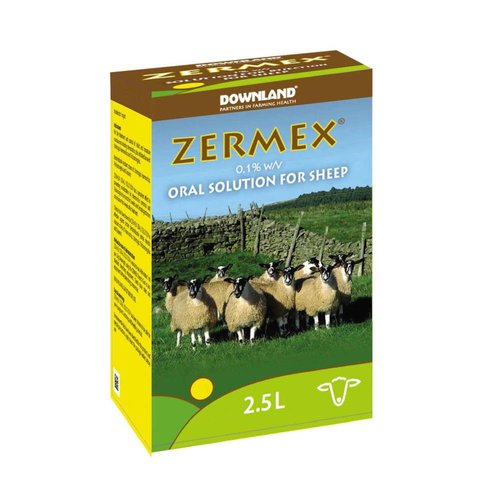
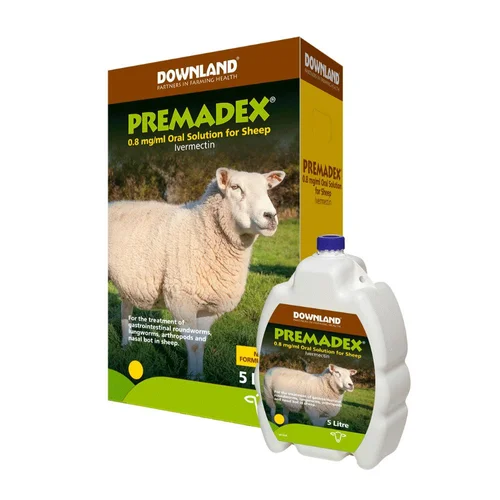

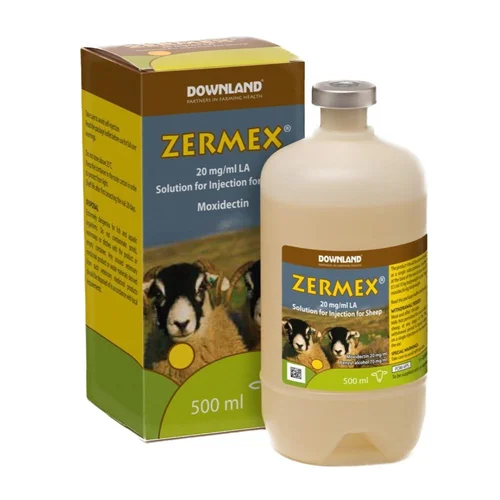
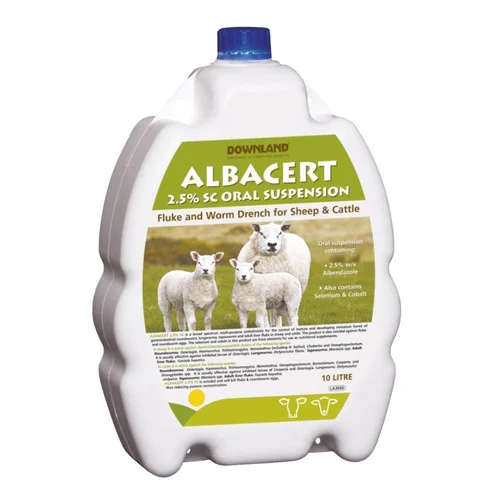

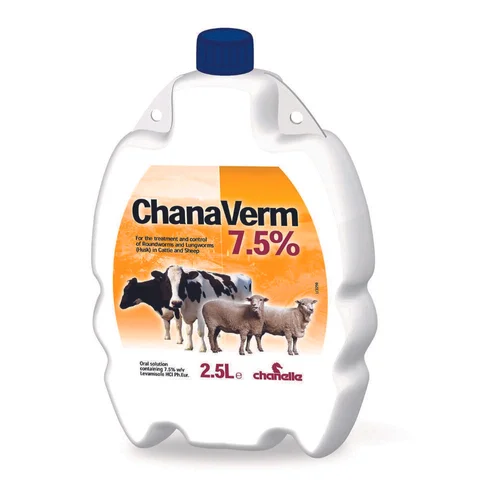
Fluke and Combinations
Fluke risk moves with the season and the field, and a wet autumn changes it completely. A combination saves a handling where both jobs need doing — and wastes a treatment where only one does.
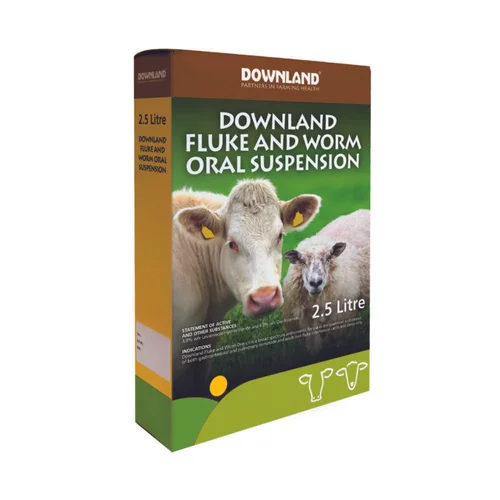
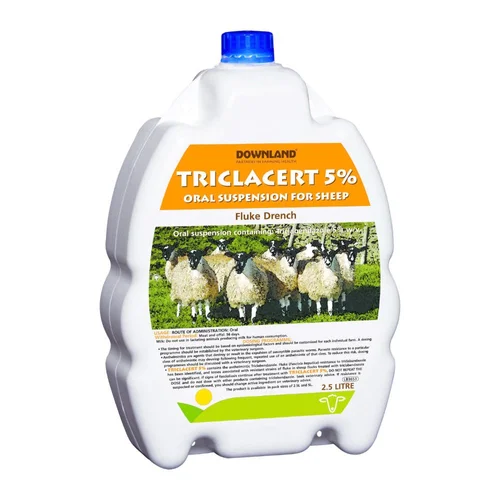
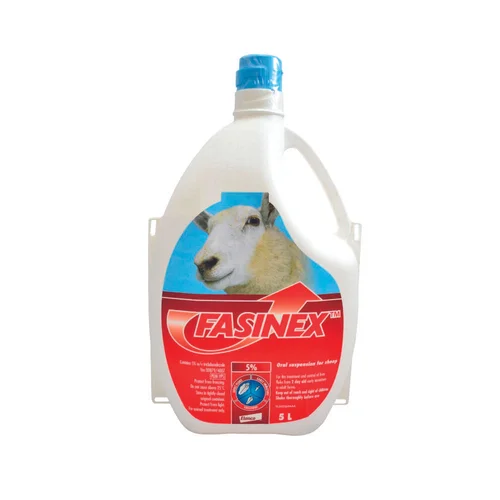
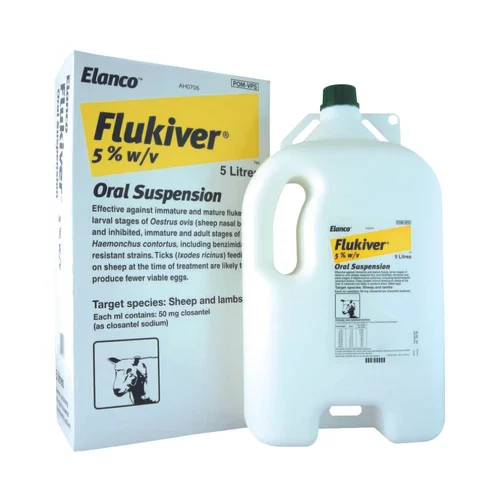
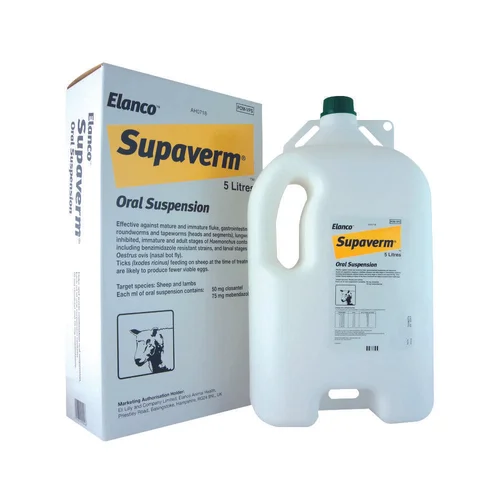
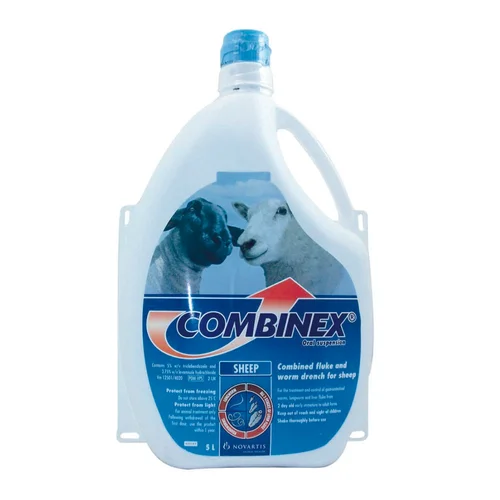
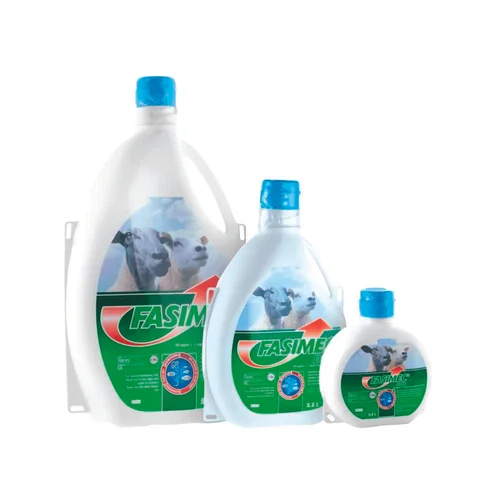
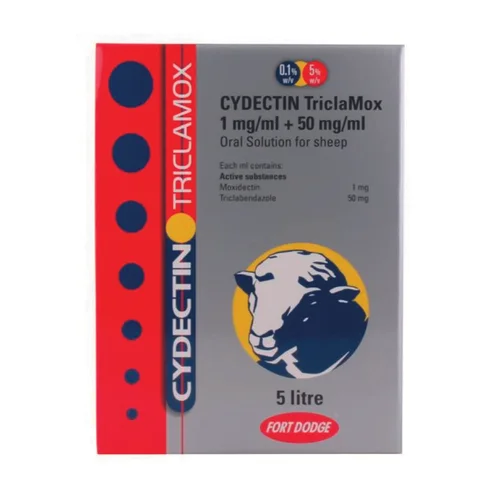
Count first, and count again after. We run worm egg counts in store at Kinross and Ayr, and fluke tests at Ayr — faecal testing, usually the same day. The second count is the one that tells you whether the drench is still working on your farm.
Dip and Pour-Ons
Blowfly is the one that turns from nothing to an emergency in a warm week. Ticks and scab run to their own calendar. Dipping does jobs a pour-on cannot, and the other way round.
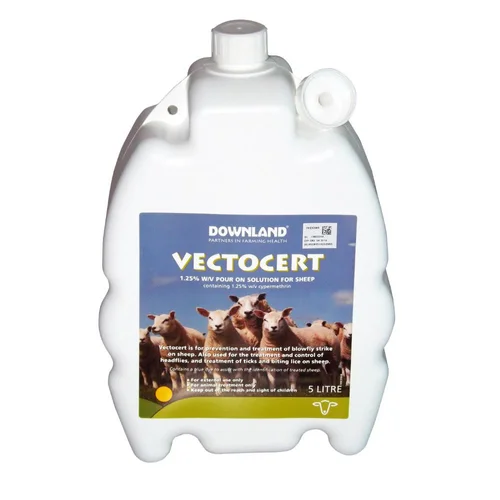
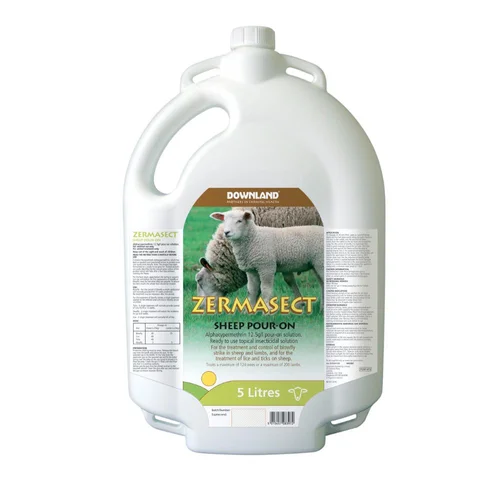
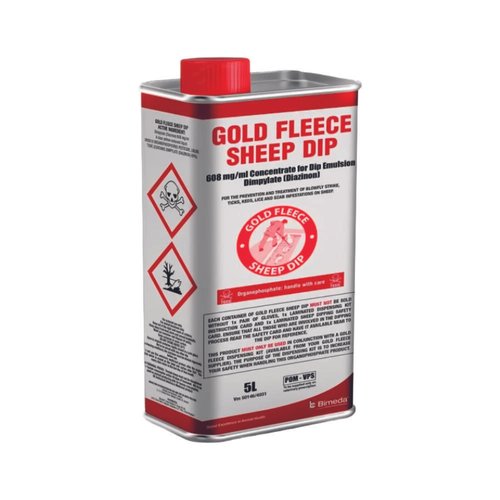
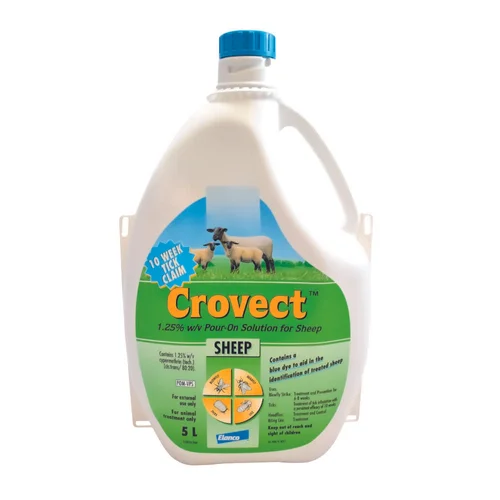
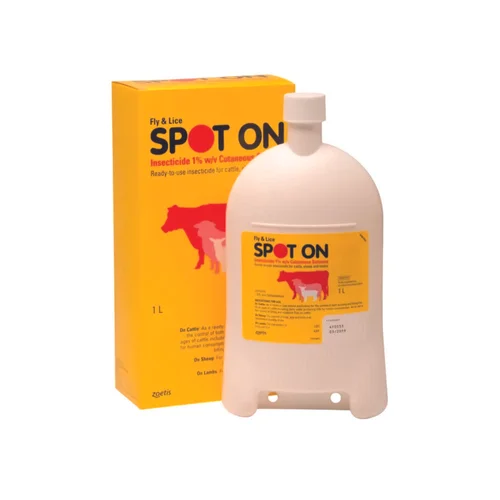
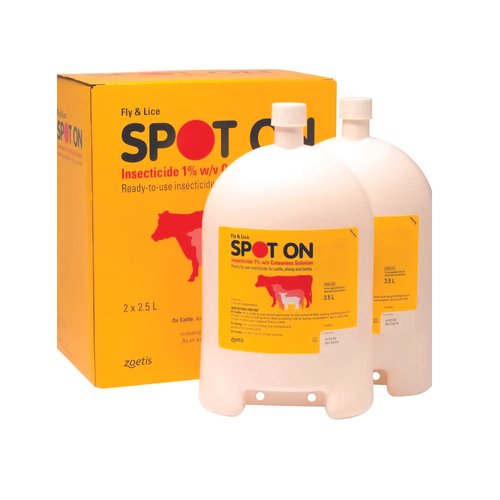
Dip is not an over-the-counter decision on its own. Certification, disposal and the ground it runs onto all come into it. Ask before you buy and we will go through what you need in place.
Lambing
Colostrum, ewe support and the slow starter. The shed wants stocking in January, not in the small hours of the night you need it.
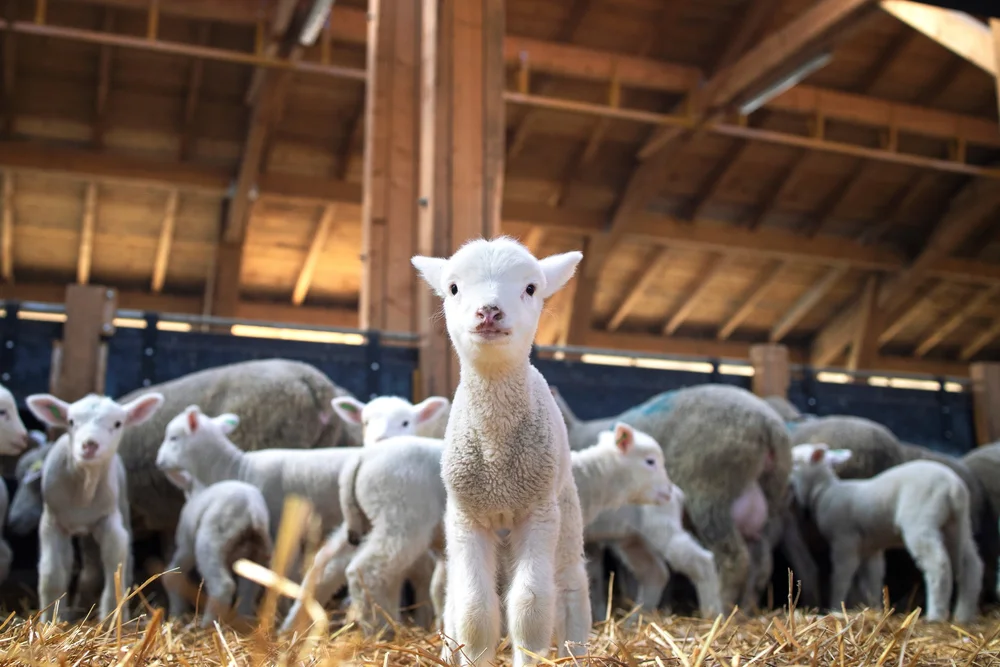
Clostridial vaccine given to the ewe at the right point before lambing is what protects the lamb in its first weeks, so the timing is the product. After that it is colostrum, warmth and a clean navel, in that order.
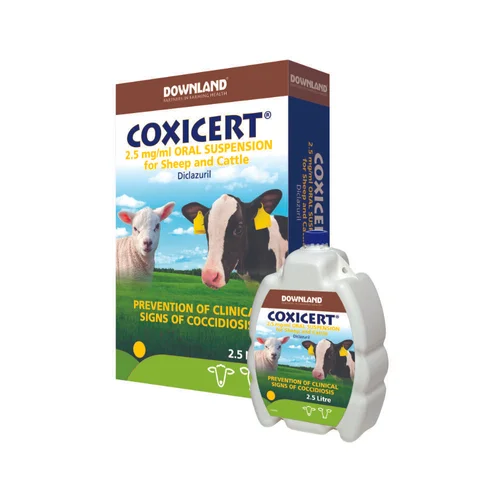
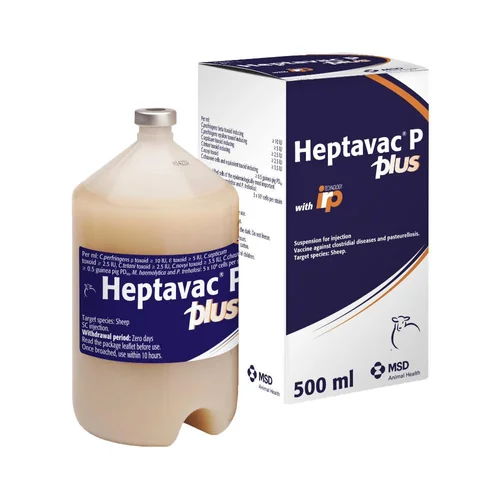
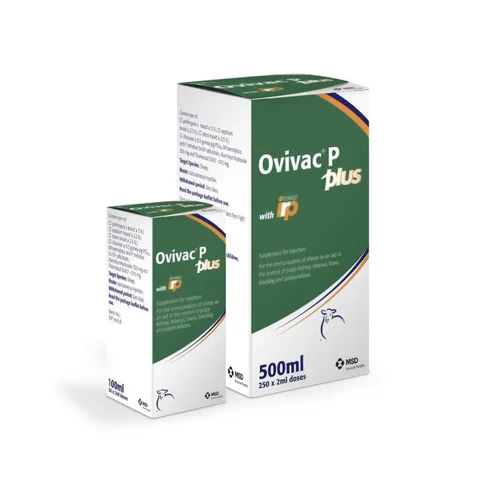
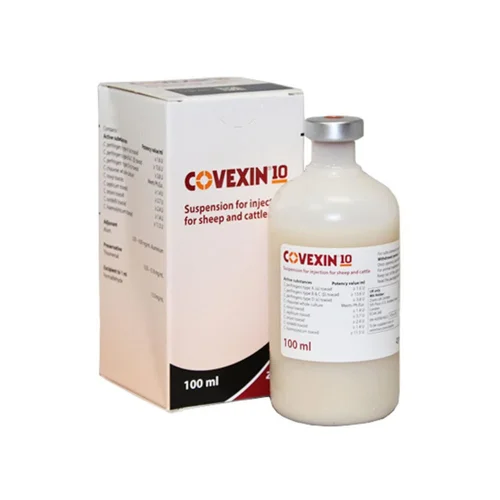
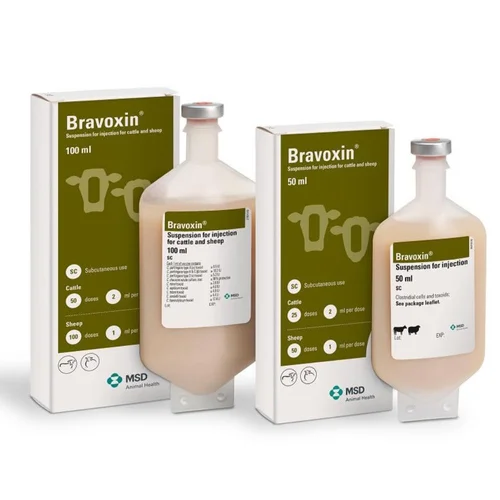
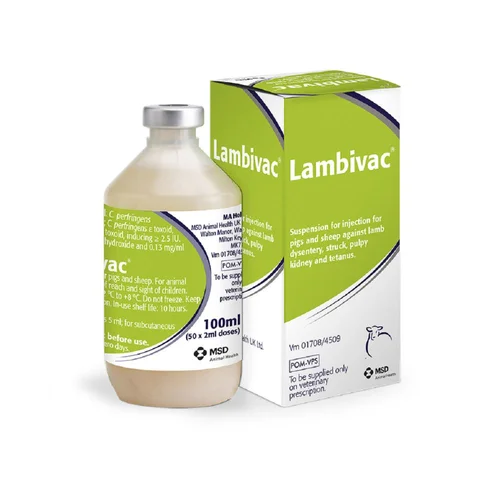
The Lambing Cupboard
Every one of these is easier to have and not need than to need at three in the morning.
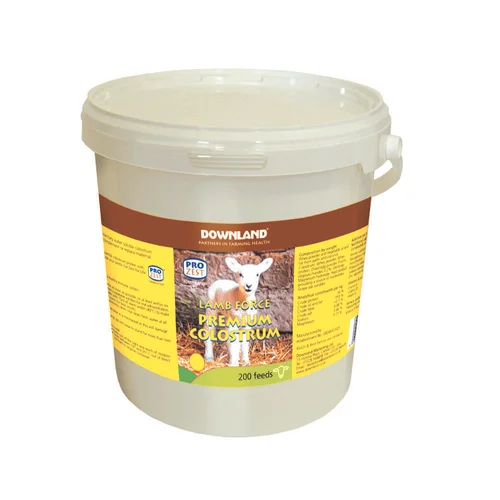
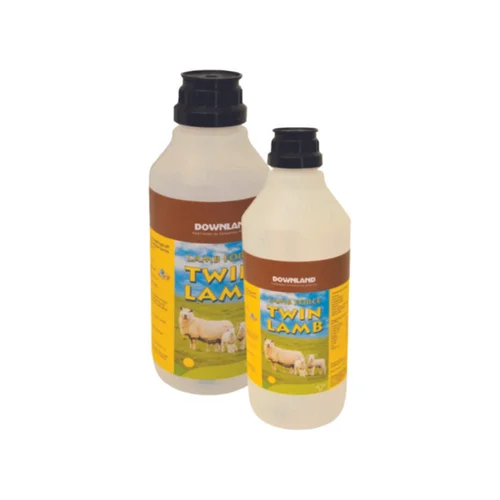
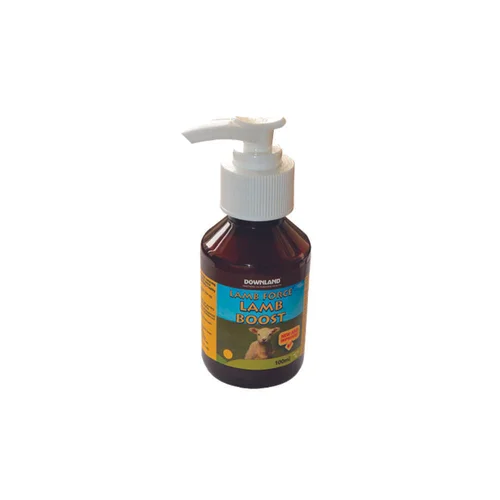
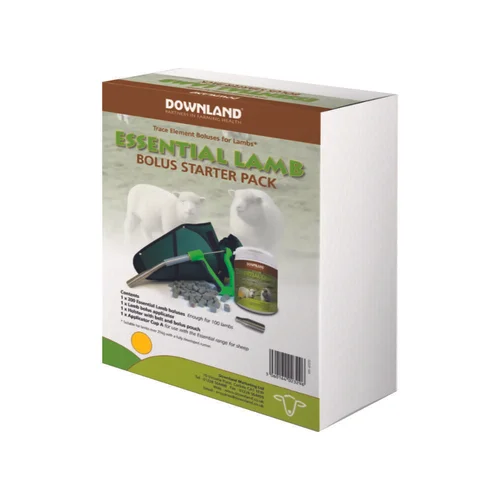
How much colostrum, how soon and by what route depends on the lamb in front of you — and tubing wrongly puts it in the lung. Ask an SQP or your vet to show you once, before lambing starts, rather than reading it off a screen at the time.
Trace Elements
Cobalt, selenium and iodine are the three that go short on Scottish sheep ground, and they show up as lambs that will not thrive rather than as anything you can point at.
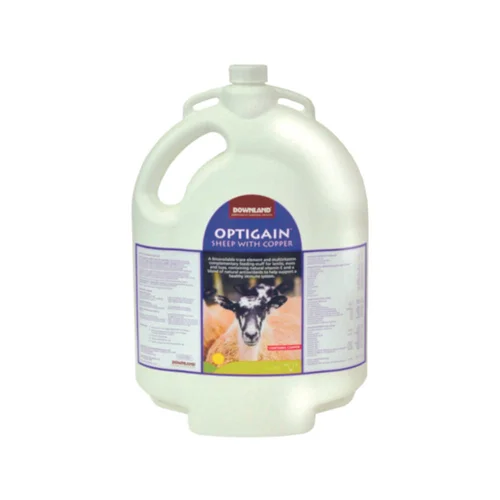
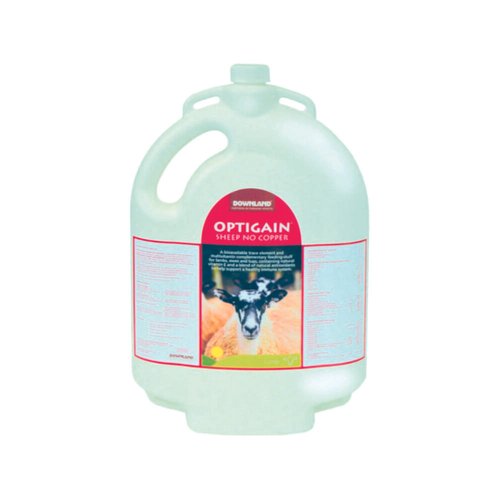
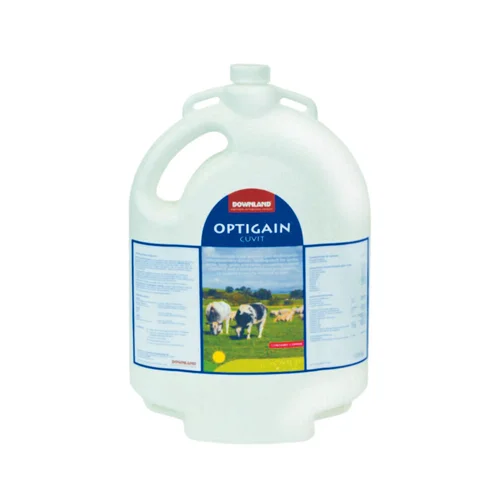
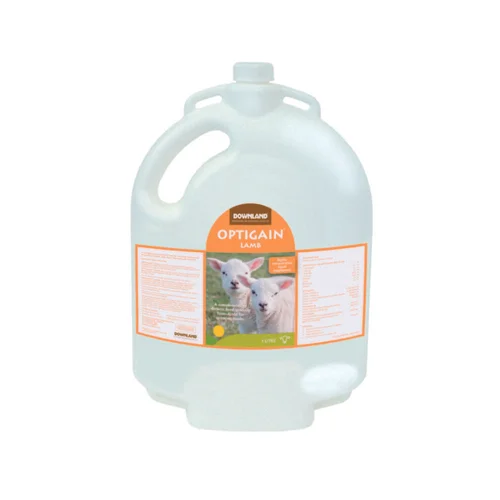
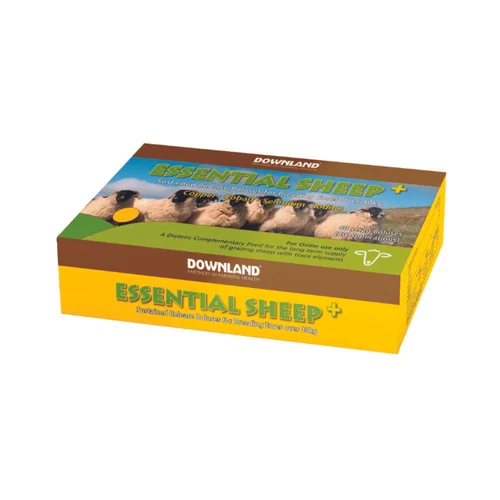
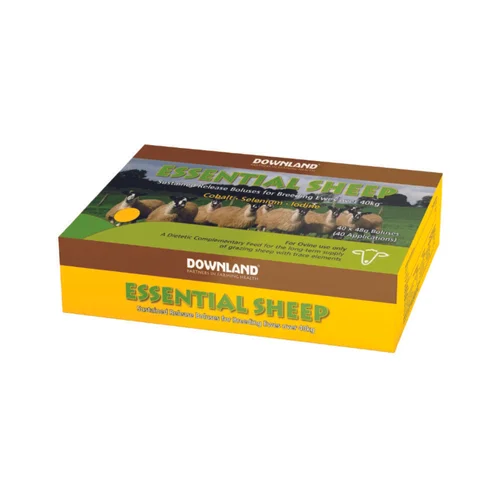
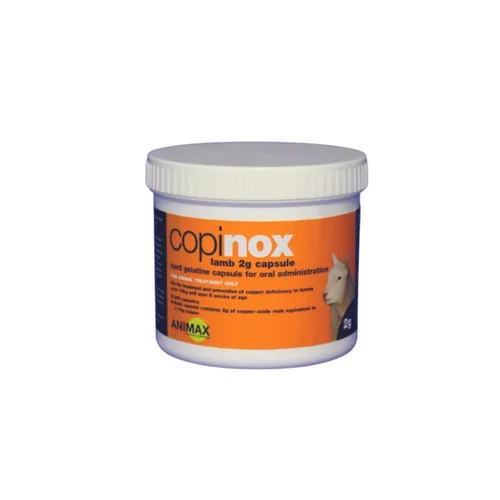
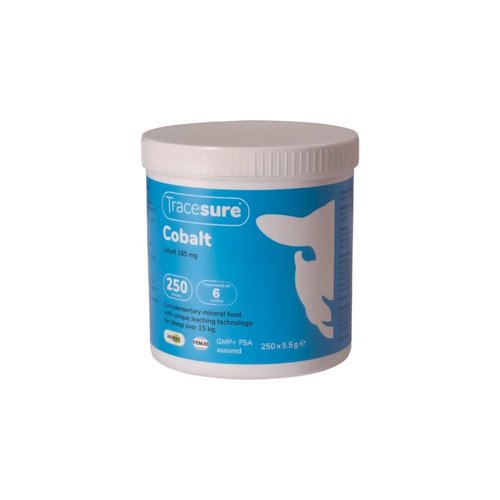
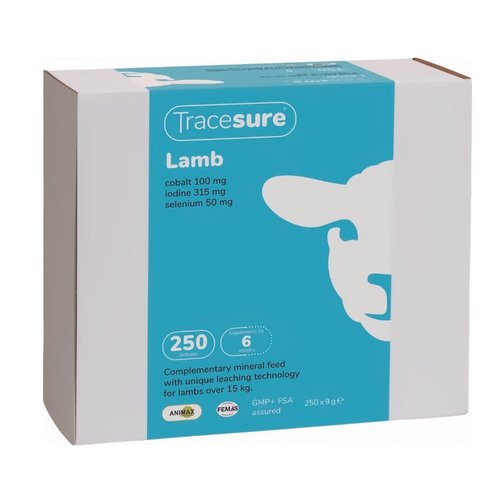
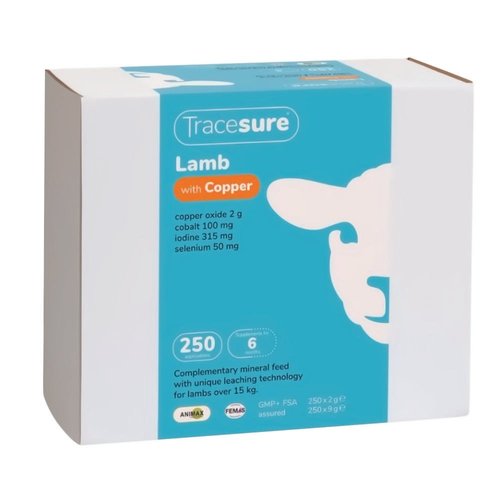
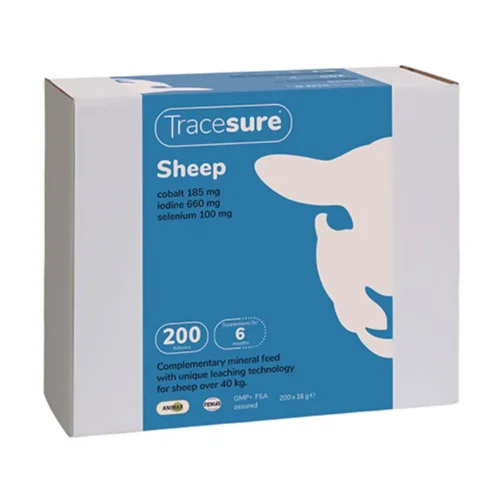
Copper is different in sheep. Sheep are far less tolerant of it than cattle, and some breeds less again. That is why the Optigain range is sold both with and without. If you are already feeding a mineral, bring the bag label to the counter before adding anything containing copper.
Sheep Questions
Do I need a vet to buy sheep wormer in Scotland?
No. Sheep wormers and flukicides are POM-VPS, which a Suitably Qualified Person can prescribe and sell. Every McCaskie store at Ayr, Kinross, Lanark & Stirling has more than one qualified SQP, and all eight field representatives are SQPs. Antibiotics still need your vet.
What are the sheep wormer groups?
1-BZ white, benzimidazole. 2-LV yellow, levamisole. 3-ML clear, macrocyclic lactone. 4-AD orange, amino-acetonitrile derivative. 5-SI purple, spiroindole. The group matters more than the brand name, and which one suits your farm depends on your own resistance picture.
Can you do a worm egg count on my sheep?
Yes. Bring a fresh dung sample to Kinross or Ayr and we run the count in store, usually the same day. A second count after treating tells you whether the drench still works on your farm.
Can sheep have the same mineral bucket as cattle?
No. Sheep are far less tolerant of copper than cattle and some breeds less again, which is why sheep minerals are sold both with and without it. Bring your current mineral bag label to the counter before adding anything containing copper.
When should ewes get their clostridial booster before lambing?
The timing is what passes protection to the lamb through the colostrum, so it is set against your lambing date rather than a fixed week. Ask an SQP to work it back with you from scanning.
Where can I buy sheep dip in central Scotland?
From any of the four McCaskie country stores. Dip involves certification, disposal and where the water goes, so ring 01786 474 481 or ask at the counter first and we will go through what you need in place.
Ask at any of the four stores — Ayr, Kinross, Lanark & Stirling — or ring 01786 474 481. Every store has more than one qualified SQP.
Talk sheep with your rep