
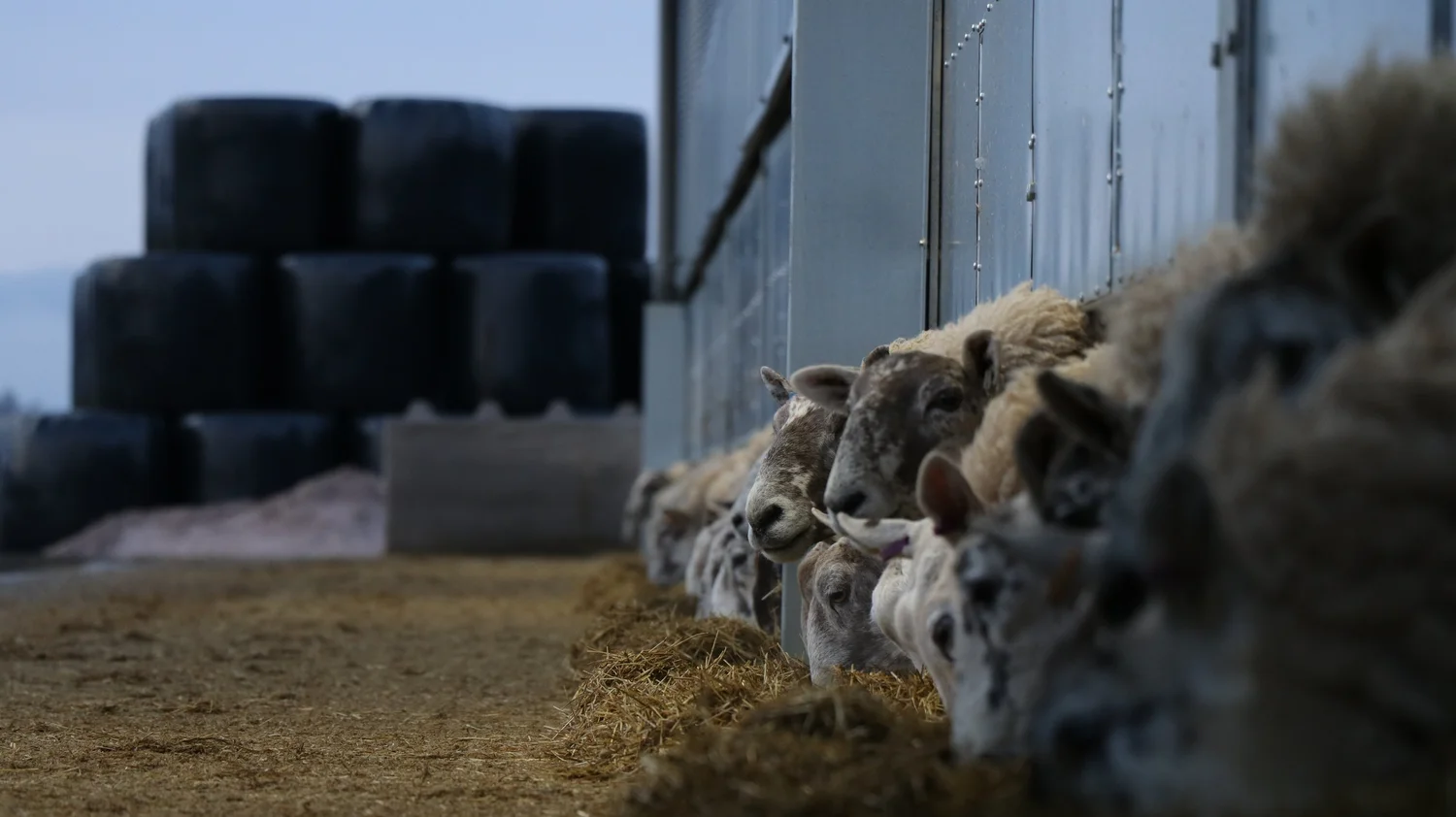
Tupping: The Six Weeks That Decide Next Spring
Condition, trace elements, the tup MOT and the raddle — the jobs in order, and what to have in for each, at Ayr, Kinross, Lanark & Stirling with SQPs on every counter.
Everything You Get at Scanning Is Being Decided Now
Ewes that go to the tup in the right condition cycle tightly, hold more eggs and give you a result you can plan around. Ewes on the back foot give you singles, stragglers and a long, expensive lambing.
This page follows our printed tupping list, which sits in the same series as the lambing list and the autumn calving list: one job, in order, with the products beside the task rather than in a catalogue at the back. Two things run through every section. First, test before you treat — a forage analysis or a handful of blood samples in September is cheaper than a guess in January. Second, if you are not sure, ask. There are AMTRA-qualified SQPs in every store and every one of our field reps is one too, so the person supplying the wormer is legally qualified to advise on it.
3.5
Target condition score at tupping for lowland ewes — 3 upland, 2.5 hill — across the bulk of the flock, not the average.
Six to eight weeks
How long it takes a ewe on good grass to gain one condition score. Score at weaning, not the week before the tups go out.
One to forty
One mature tup to forty ewes on lowland ground, one ram lamb to twenty-five. Lower both on the hill or with ewe lambs.
Downland runs through the nutrition sections because it is the range we know best and stock deepest. The names you already ask for — Rumenco, Supalyx, Animax, Agrimin, Elanco, MSD, Zoetis, Norbrook — are on the same shelves, and if something else suits your ground better we will say so.
Count Back From the Day the Tups Go Out
Pick your date, then work backwards. Most of this is done at gathers you are already doing — the point is to do the right job at each one.
- Ten weeks out
Score, sort and decide
Body condition score every ewe by hand at weaning. Batch them thin, fit and fat and give the thin ones the best grass. Ram MOT — teeth, toes, testicles, tone. Sperm takes six to seven weeks to develop, so a problem found now can still be fixed; one found at tupping cannot. Buy replacement tups now, not the week before, so they have time to settle and quarantine. Draw up the cull list: broken mouths, bad udders, persistent lameness, prolapse history, empty last year.
- Eight weeks out
Test before you treat
Forage mineral analysis or blood samples for cobalt, selenium and iodine — supplement on evidence, not habit. Faecal egg count the ewes: fit adult ewes rarely need a pre-tupping wormer. Book abortion vaccines with your vet — enzootic abortion and toxoplasma vaccines are vet-only and have to go in well ahead of the tups, so the vet sets the date. Sort feet: footbath the flock, treat the lame, and be honest about repeat offenders.
- Six weeks out
Build condition
Thin ewes onto the best grazing. Feed blocks or licks out now where grass quality is falling. Tups on the same nutrition — they are half the lamb crop. Start the Heptavac P Plus course for bought-in replacements; the SQP will set the course against the date the tups go in. Check the fluke forecast for your ground and plan the autumn dose with your SQP.
- Three weeks out
Trace elements in
Bolus the ewes at a gather before the tups go out, so status is lifted before they start cycling. Fold it into the pre-tupping gather. Copper only on evidence — Texel and Suffolk types accumulate it fast.
- Two weeks out
Flush
Flushing starts: a high-energy lick in front of the ewes from two weeks pre-tupping, and kept there through implantation. Fit harnesses to the tups a few days early so they are used to them; check crayons and raddle are to hand. Quarantine treatments finished on every bought-in animal.
- Tups in
Day one
One mature tup to forty ewes, one ram lamb to twenty-five; drop the ratio on rough hill ground or with ewe lambs. Raddle on, date in the diary, start with the lightest colour. Avoid single-sire groups where you can — one dud tup is a whole group empty.
- Day 14 to 17
Change colour
Change raddle colour every 14 to 17 days, light to dark. Most ewes should be marked in the first 17 days; more than one in five repeating in the second colour means look at the tup. No gathering, dosing or diet changes in the first three to four weeks — implantation is happening.
- Day 34
Tups out
Two cycles is enough. Pull the tups, feed them back up, and note the date: scanning is 80 to 90 days after the tups went in, and lambing starts around 147 days after.
The Lamb Crop Is Set in October
Ovulation rate, embryo survival and colostrum are all condition at tupping in one number. Score the ewes by hand, batch them, and feed the batches differently.
Autumn grass looks generous and tests poorly. Bulk holds up while sugars fall and protein gets patchy, so a ewe can be full and still be short of energy. Thin ewes need the best grazing from weaning; fat ewes need the poorest, because slimming them in the last six weeks costs follicles.
Flushing — lifting the plane of nutrition for two to three weeks before the tups and three to four weeks after — is the cheapest lambing percentage you will buy all year. Keep it going through implantation: the first month after tupping is not the time to pull the feed or move them onto bare ground.
Score by Hand, Batch Them, Feed the Batches
Fish oil and omega-3 in the buckets is not marketing. It supports fertility in tups and ewes and stronger, more viable lambs, which is why it is in the sheep range and not the cattle one.
Save this — condition score targets at tupping. Lowland 3.5, upland 3, hill 2.5, across the bulk of the flock. Six to eight weeks on good grass to gain one score, so score at weaning rather than the week before. Score by hand, same person, same hand, over the loin — not by eye across a field. Tups the same: fit not fat, and fed through the season, because they lose condition fast when working.
Downland Opti-Lix High Energy
Molassed feed lick for ewes, tups and lambs, and it suits cattle too. No added copper, so it is safe where sheep can reach it. Site it over the grazing, away from the water trough, so the flock walks the field. The flushing lick: in front of the ewes from two weeks before the tups and kept there through implantation.
Downland Opti-Mol Sheep Natural Energy
Molassed bucket for breeding ewes from tupping through to lambing. Energy from several sources, protein, omega-3 from fish oil to support fertility in tups and ewes, ultra-high vitamin E and selenium, zinc for feet and teats. The bucket to choose when you want energy, protein and fertility support in one.
Downland Opti-Blox Super with Fish Oil
Compressed high-energy feed block with a high proportion of natural protein, plus fish oil. For breeding ewes, flock replacements and weaned lambs where the grazing will not carry them. The hill option — hard-wearing, low waste, sits out in the weather.
Downland Opti-Balance Sheep
Year-round mineral for breeding ewes and lambs, balancing the shortfalls in grass and forage-based diets. Copper-free. Free access or in-feed — say which when you order.
Also on the shelf: Rumevite feed blocks, Supalyx buckets and ewe rolls. Feed bucket or mineral bucket? They are made differently and stock take different amounts — worth two minutes at the counter before you load the trailer.
The September Job That Shows Up at Scanning
Cobalt, selenium and iodine rarely announce themselves. There is no clinical case — just a tup working half-heartedly, a flock that cycles over four weeks instead of two, and a scanning figure you cannot explain.
Scottish grazing has always been patchy for trace elements: cobalt locked up on iron-rich and alkaline soils, selenium and iodine marginal across much of the central belt and the hill ground beyond it.
Low iodine hits fertility and lamb survival; low selenium is weak lambs and white muscle; low cobalt is pine and ill thrift. Most trace element failures are consistency failures, not dosing failures. Drenches spike and fade; buckets depend on which ewes come to them. An eroding bolus gives every ewe the same measured supply every day for months — a mid-October tupping carried right through scanning to lambing.
Test first, then choose. A forage mineral analysis or five to ten blood samples tells you what your ground is actually short of; your rep can arrange it. Bolus at a gather you are doing anyway — condition scoring, dagging, feet. Copper only on evidence: sheep tolerate it poorly, Texel and Suffolk types accumulate it fast, housed sheep faster still. Boluses can go in at the same gather as vaccinating or worming — check the datasheets and ask if you are stacking several treatments.
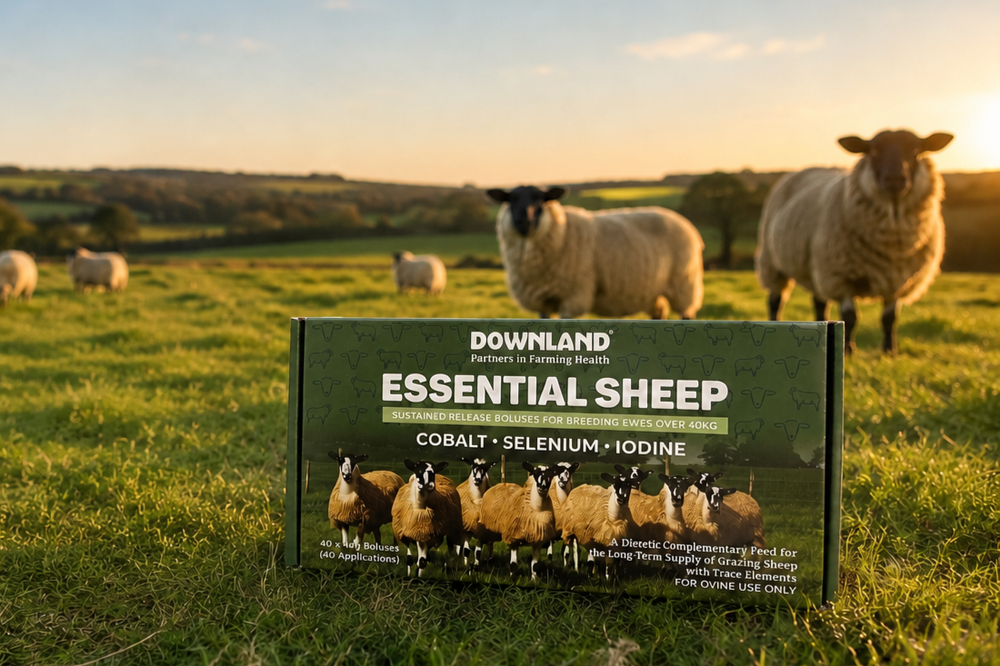
The Downland Essential Range
Downland Essential Sheep is the sustained-release rumen bolus for adult ewes, given pre-tupping or pre-scanning: cobalt, iodine and selenium, no peaks and troughs, the same supply for every ewe. Downland Essential Sheep+ is the same bolus with copper added, for flocks on genuinely low-copper ground — only on blood or liver results and a conversation. The Downland Essential Sheep bolus applicator is the dedicated gun for the range: quick, even on big ewes, and it puts the bolus where it should be. One per gate; order a spare.
Drenches and the Rest of the Shelf
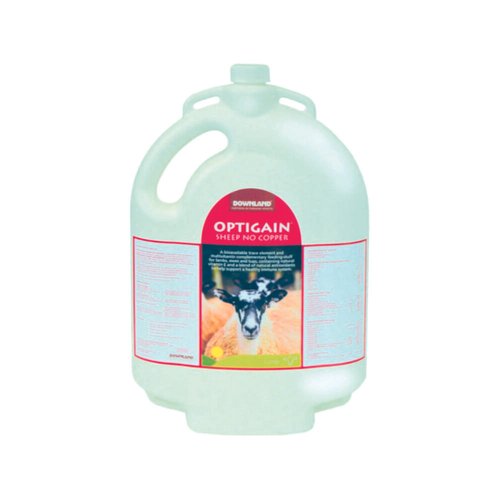
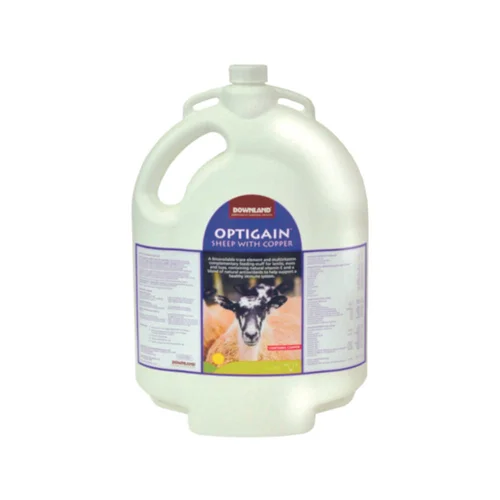
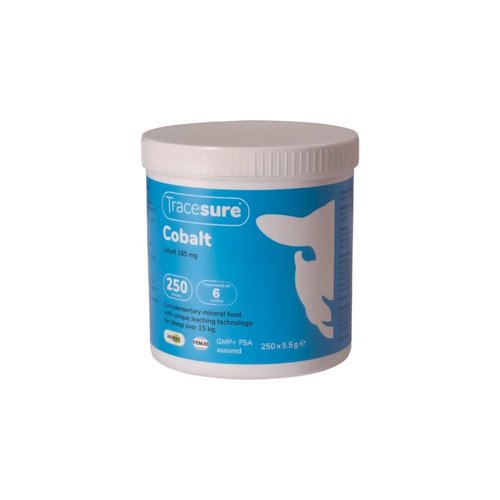
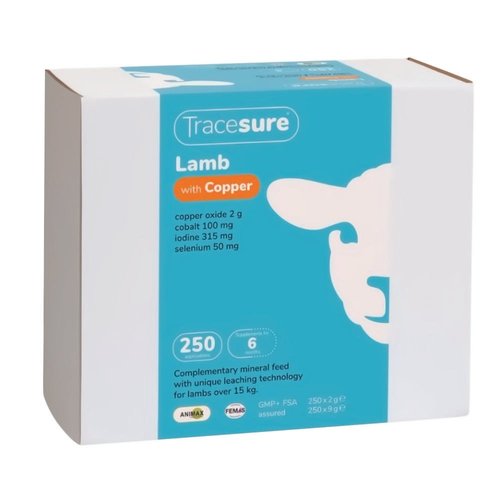
Also on the shelf: Copinox 2g copper oxide capsules for ewes on proven low-copper ground, and Agrimin 24·7 Smartrace Sheep.
The Tup MOT
He is half your lamb crop. Sperm takes six to seven weeks to develop, so whatever a tup is dealing with today will not show as a fertility problem until tupping is well under way — by which point it is too late to fix.
Teeth
Can he eat enough to keep working for five weeks? Broken mouths and undershot jaws go.
Toes
Lame tups do not work. Trim, bathe, treat — ten weeks out, and again on the day.
Testicles
Two, even, firm and free-moving. Any lump, softness or heat, talk to the vet about a semen test.
Tone
Condition 3 to 3.5. Fit, not fat. A thin tup runs out of stamina; a fat one has no interest.
Treat
Quarantine dose, feet, vaccinate, bolus, footbath — the same jobs as the ewes, done earlier.
Feed
Opti-Lix High Energy and Opti-Mol Sheep Natural Energy are formulated for tups as well as ewes, so no separate bucket is needed. Hard feed a few weeks before and through the season, introduced gradually with long fibre in front of them.
Buy replacement tups at least eight weeks out, quarantine them like any other bought-in animal, and put them on the same nutrition as the ewes. Feed through the season — a tup can lose a full condition score in five weeks of work. Where you can, run two or more tups per group: transient sub-fertility in a single-sire group looks like a field of empty ewes in January.
Harness and raddle
A ram harness — adjustable, with a crayon holder — fitted a few days before the tups go out so the straps are settled and the tup is used to it — one per tup, plus a spare. Raddle crayons in yellow, orange, green, red, blue and black; choose the grade for the weather, because a hard crayon in a warm October will not mark and a soft one in November frost wears out in a week. Raddle paste and powder for flocks that prefer to mark the brisket than harness the tup.
Feet
Jakoti foot rot shears — sharp, spring-loaded and comfortable for a full afternoon of feet. Trim only what needs trimming; over-paring makes things worse. Downland First Aid purple foot spray after inspection, so you can see in the field who has been treated. Every tup, every gather.
Footbath
Zinc sulphate or formalin footbath concentrate for the whole flock, eight weeks out, and for tups and bought-ins on arrival. Stand them in it, then let them dry on hard standing before they go back to the field. Which suits your set-up is a counter question.
Vaccines and Fluke
Everything in this section and the next is POM-VPS unless marked otherwise — supplied and advised on by the SQP at the counter. Bring the flock’s history and the weights, and read the label.
Vaccines
Bought-in replacements and tups need a full primary course before they join the flock, and the SQP will set the course against your tupping date. Abortion vaccines are the September job that is easiest to forget: enzootic abortion and toxoplasma vaccines are prescription-only, from your vet, and must go in well before the tups — book them now.
Heptavac P Plus
Clostridial diseases and pasteurellosis. The primary course for bought-in replacements and tups before they join the flock; ewes get their annual booster ahead of lambing.
Bravoxin 10
Ten clostridial species including tetanus, black disease, blackleg, pulpy kidney and lamb dysentery. Sheep and cattle.
Covexin 10
Multiclostridial cover for sheep and cattle from two weeks of age.
Enzootic abortion and toxoplasma
Prescription-only, from your vet, and well ahead of the tups. Book them now; the vet sets the date.
Liver Fluke
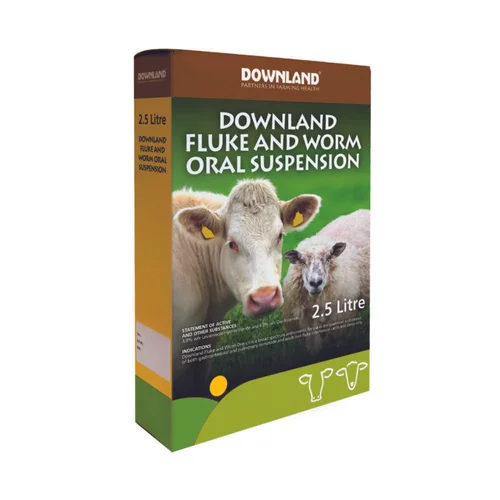
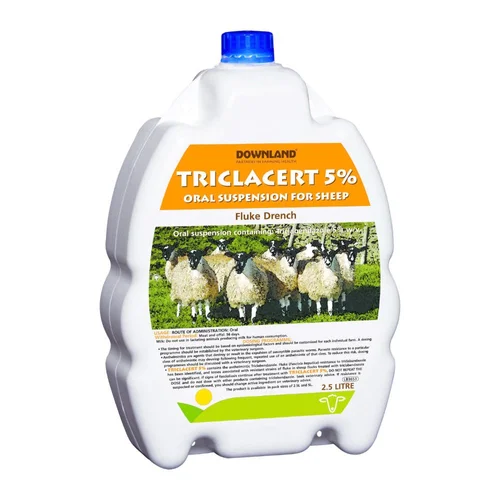
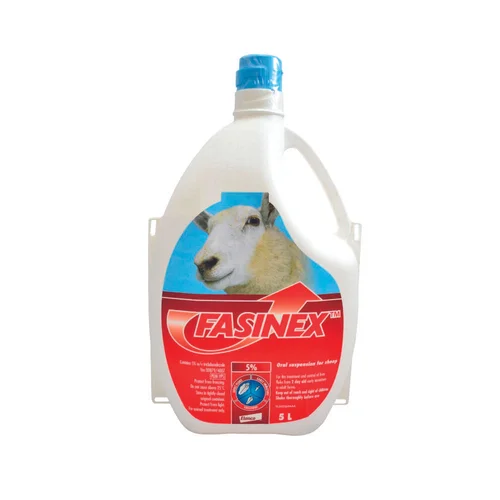
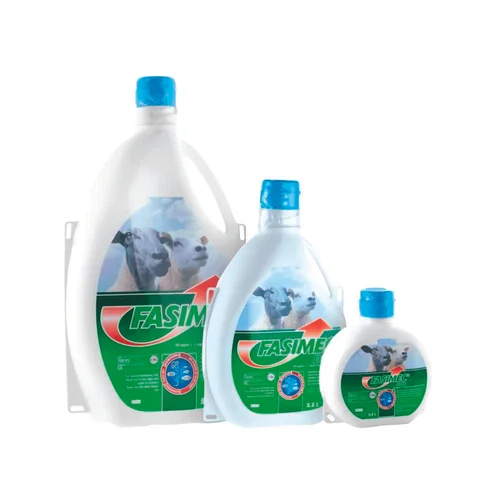
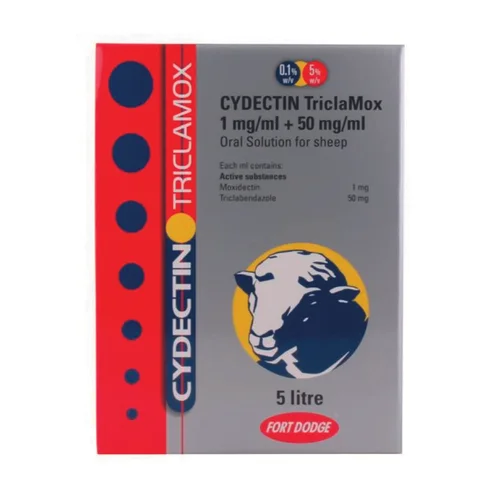
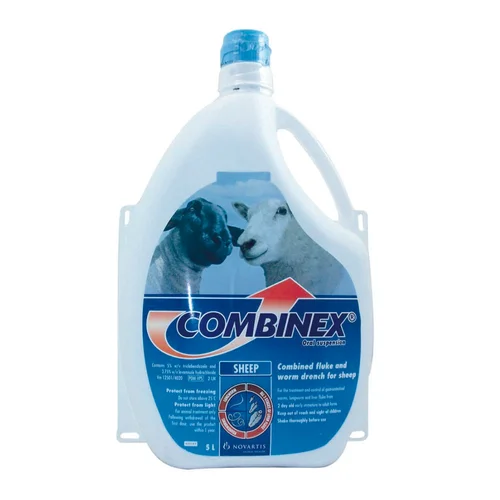
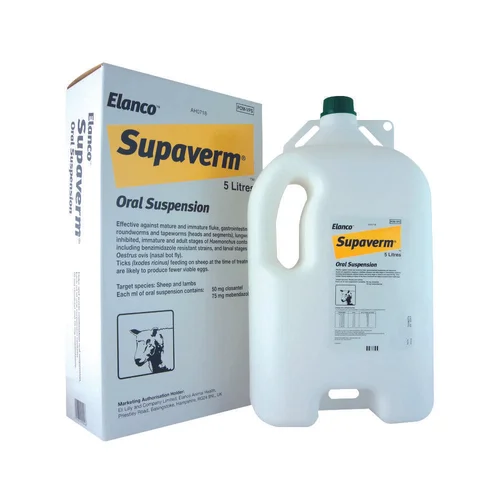
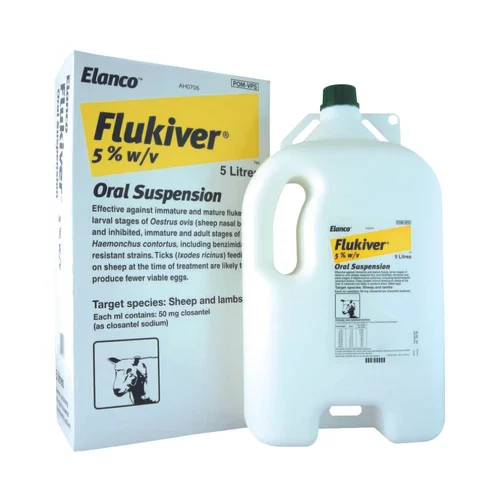
Acute fluke is the autumn risk on wet ground — early immature fluke that only a triclabendazole product will touch. Check the NADIS and SCOPS forecasts for your area, treat on risk rather than habit, and rotate actives so the fluke stay susceptible. Closantel comes into its own from six weeks after the peak; the levamisole-oxyclozanide combination is a late-season adult-fluke-plus-worms dose, not an autumn one. Which product, and when, is the conversation to have at the counter with the forecast in front of you.
Use medicines responsibly: noah.co.uk/responsible. Withdrawal periods are on the label and it is your responsibility to observe them.
Worms, Scab, Lice and Ticks
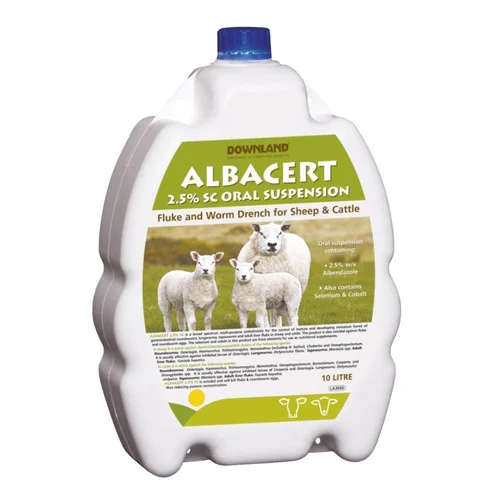
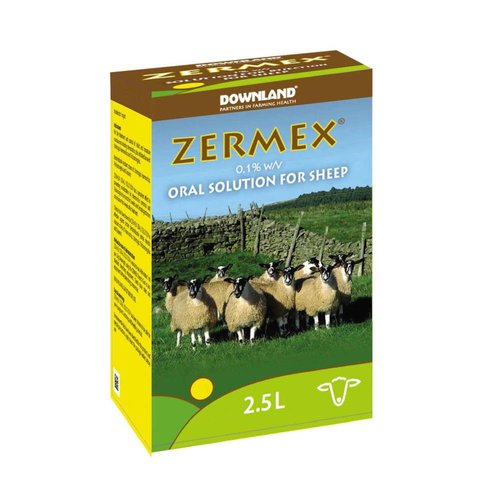
Fit adult ewes rarely need a pre-tupping wormer. Count first, dose the ones that need it, and save the drenches for the lambs and the bought-ins.
Worms
A faecal egg count costs less than a drench and tells you whether you need one — bring a fresh muck sample in and we run it at the counter at Kinross or Ayr. Faecal testing, how it works. Where a dose is justified — thin ewes, ewe lambs, high counts — pick the group on the count and the last treatment, not the tub that is nearest the door.

Scab, Lice, Ticks and Headfly
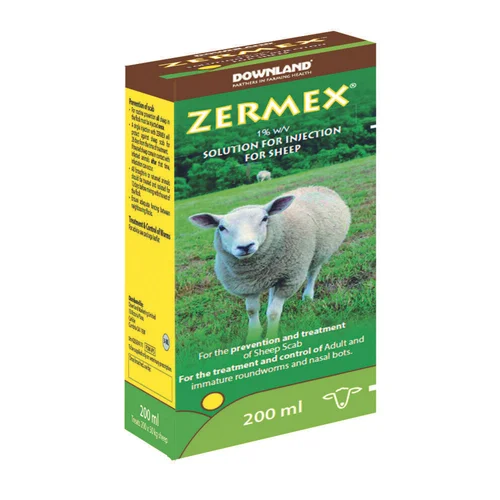
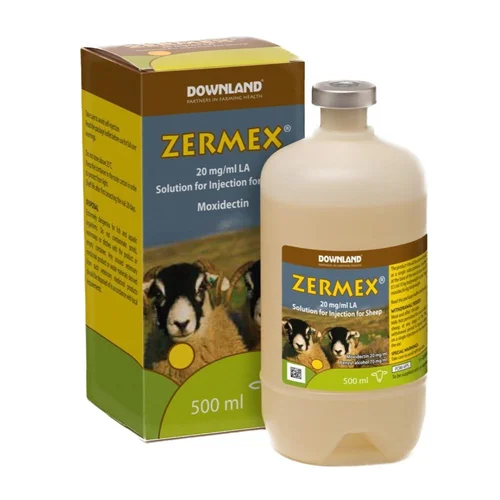
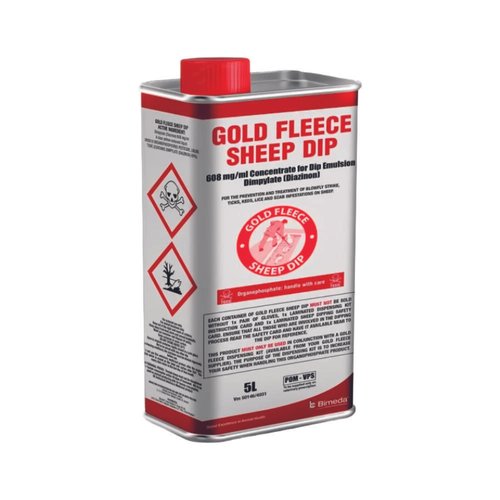
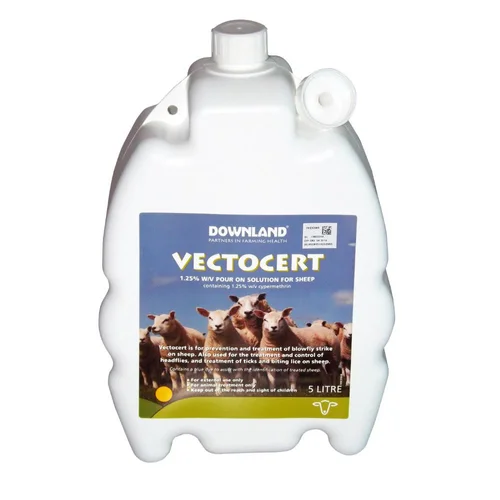
Scab comes in on sheep, so every bought-in animal is treated in quarantine. Pour-ons deal with lice, ticks and flies but do not treat scab — that takes a moxidectin injection or an OP dip.
Feet: sort them before the tups go out, not during. Footbath the whole flock at the eight-week gather, then dry them on hard standing. Treat the lame individually, mark them, and be honest about repeat offenders: chronic footrot goes on the cull list. A lame tup does not work — check every tup’s feet at the MOT and again the week before. Footrot vaccination is worth a conversation with your vet if the flock has a history; it needs to go in ahead of the risk period.
OP dips require a certificate of competence to purchase and use. Use medicines responsibly: noah.co.uk/responsible.
The Quarantine Routine
Every tup, every replacement ewe, and every one of your own sheep coming back from away-wintering or common grazing. Resistant worms, scab and footrot all arrive on a lorry.
This follows the SCOPS quarantine guidance. It takes a fortnight of yard space and a couple of hours; a scab outbreak or a resistant worm population takes years. The tups are the ones most often skipped because they arrive late and expensive — treat them the same.
Yard them
House or yard every incoming sheep — bought-in ewes, tups, and your own stock back from away-wintering or common grazing. Do not let them touch the resident flock or its grazing.
Treat on arrival
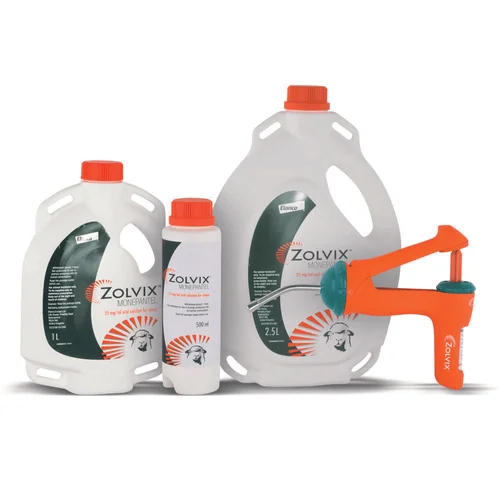
Worms: Zolvix plus a moxidectin injection — the injection covers scab as well. Or plunge dip in Gold Fleece if scab is the bigger worry and you hold the certificate. The SQP will confirm the pairing for your flock.
Hold them off grass
Keep them on the yard for a day or two so the worm eggs they carried in pass out on concrete, not the field. Muck goes on ground sheep will not graze.
Feet and mouths
Footbath, check every foot, and look at the teeth and udders you did not check at the sale.
Turn out separately
Onto pasture the home flock has already grazed this season, and keep them apart for three to four weeks. Watch for rubbing, wool loss and dirty tails.
Vaccinate and record
Start the Heptavac P Plus primary course. Repeat the fluke treatment if the risk on your ground says so. Log the movement on ScotEID.
What to have ready before the lorry arrives: Zolvix and a moxidectin injection, weighed doses, a calibrated gun, needles and syringes. Footbath made up, foot shears, purple spray. Heptavac P Plus for the primary course, and a marker to identify treated animals. A clean pen or yard the resident flock cannot reach, and a paddock the home flock has already grazed this season.
Raddle Is the Cheapest Fertility Test There Is
Change the colour on time, write the dates down, and you will know by day 20 whether a tup is working.
Yellow
Days 1 to 14. Start light.
Orange
Days 15 to 28. The second colour — count the repeats.
Green
Days 29 to 34. Most flocks only need the first three.
Red
Third cycle, if you run one.
Blue
Late tups.
Black
The clean-up tup.
Light to dark, changed every 14 to 17 days. Most ewes should be marked in the first 17 days. If more than one in five come back in the second colour, look at the tup — feet, condition, temperature — and swap him if in doubt. Two cycles, 34 days, is enough; pull the tups after that so lambing does not drag into May. Then leave the ewes alone for three to four weeks: no gathering, no dosing, no sudden change of field or feed. Implantation is happening and stress costs embryos. Keep the lick or bucket in front of them — flushing carries on through implantation, not just up to the tup.
Save this — your tupping record. Tups in: date, group, number of ewes, which tups. Colour changes: date and colour, every 14 to 17 days. Repeats: count the ewes marked twice — more than one in five is a red flag. Tups out: date; scan 80 to 90 days after tups in. Ewes marked by colour is your lambing order in March.
Marking
Downland sheep marking aerosol — fast-drying marker spray for identifying tupped ewes, treated feet and repeats in the field, five colours. Downland marking paste by the tub for the flock, scourable and long-lasting, eight colours. Ritchey Sprayline aerosol in ten colours beside them.
Handling
Downland interlocking sheep hurdles in four- and six-foot, galvanised, for a pre-tupping pen wherever the gather is. Paxton sheep troughs for the tups’ hard feed through the season.
Dosing
Luer needles and disposable syringes for vaccination day. Change needles often and never re-use a bent one.
Where the List Goes
The printed tupping list is on the counter at Ayr, Kinross, Lanark & Stirling: tick what you need, add a quantity, hand it in at any store or give it to your rep, and it is picked for you. Prices on application.
Every store has more than one SQP on the counter, and every one of our field reps is one too. If you would rather talk it through before you order — the forage analysis, which bolus, whether the ewes need a wormer at all — ring 01786 474 481 or get your rep out to walk the ground. What an SQP can and cannot advise on is on the SQP and AMTRA page; the wormer groups, dip and the lambing-shed products are on the sheep page.
Tupping Questions
When should I start preparing ewes for tupping?
Ten weeks before the tups go out: body condition score every ewe by hand at weaning, batch them thin, fit and fat, and give the thin ones the best grass. It takes six to eight weeks on good grazing to gain one condition score, so the week before is too late.
What condition score should ewes be at tupping?
Lowland 3.5, upland 3, hill 2.5, across the bulk of the flock. Score by hand over the loin, same person each time — not by eye across a field.
What is flushing and when does it start?
Lifting the plane of nutrition for two to three weeks before the tups go out and keeping it up for three to four weeks after, through implantation. A high-energy lick such as Downland Opti-Lix High Energy in front of the ewes is the usual way; which product suits your ground is a counter question.
Do ewes need a bolus before tupping?
Test first. A forage mineral analysis or blood samples tell you whether cobalt, selenium or iodine are short on your ground. Where they are, a sustained-release bolus such as Downland Essential Sheep, given at a gather before the tups go out, lifts status before the ewes start cycling. Copper only on evidence.
How many ewes to a tup?
One mature tup to forty ewes on lowland ground, one ram lamb to twenty-five. Lower both on rough hill ground or with ewe lambs, and run two or more tups per group where you can.
How often should I change the raddle colour?
Every 14 to 17 days, light to dark — yellow, then orange, then green. Most ewes should be marked in the first 17 days; more than one in five repeating in the second colour means look at the tup.
Do I need to worm ewes before tupping?
Fit adult ewes rarely need a pre-tupping wormer. Bring a fresh muck sample to Kinross or Ayr and we run a faecal egg count at the counter — dose the groups that need it on the count and the last treatment. Every incoming animal, tups included, gets the quarantine treatment regardless.
When is scanning after tupping?
Eighty to ninety days after the tups went in, with lambing starting around 147 days after. Note the date the tups go in and the date they come out — every other date in the season hangs off them.
Where do I get the McCaskie tupping list?
Printed copies are on the counter at Ayr, Kinross, Lanark & Stirling, or ask your rep. It sits in the same series as the lambing list and the autumn calving list. Tick what you need, hand it in, and it is picked for you.